
Best fitness trackers for women: Whoop or a Garmin strap
Whoop 5.0 is the tracker to beat for sleep and recovery, but it needs a subscription. A Garmin chest strap covers workout heart rate. How to choose, and which numbers to ignore.
Some links in this article are affiliate links: if you buy through one, we may earn a commission at no extra cost to you. As an Amazon Associate we earn from qualifying purchases. How affiliate links work here
The best fitness tracker for most women is the Whoop 5.0 if you want sleep, recovery and strain data explained in plain language, or a Garmin chest strap if heart rate during training is the only number you care about. Whoop took the top spot in a Women's Health roundup of trackers for women, and Men's Health editors rate its heart rate variability readings highly. Whoop needs a subscription, which is the main reason to look elsewhere.
WHOOP 5.0
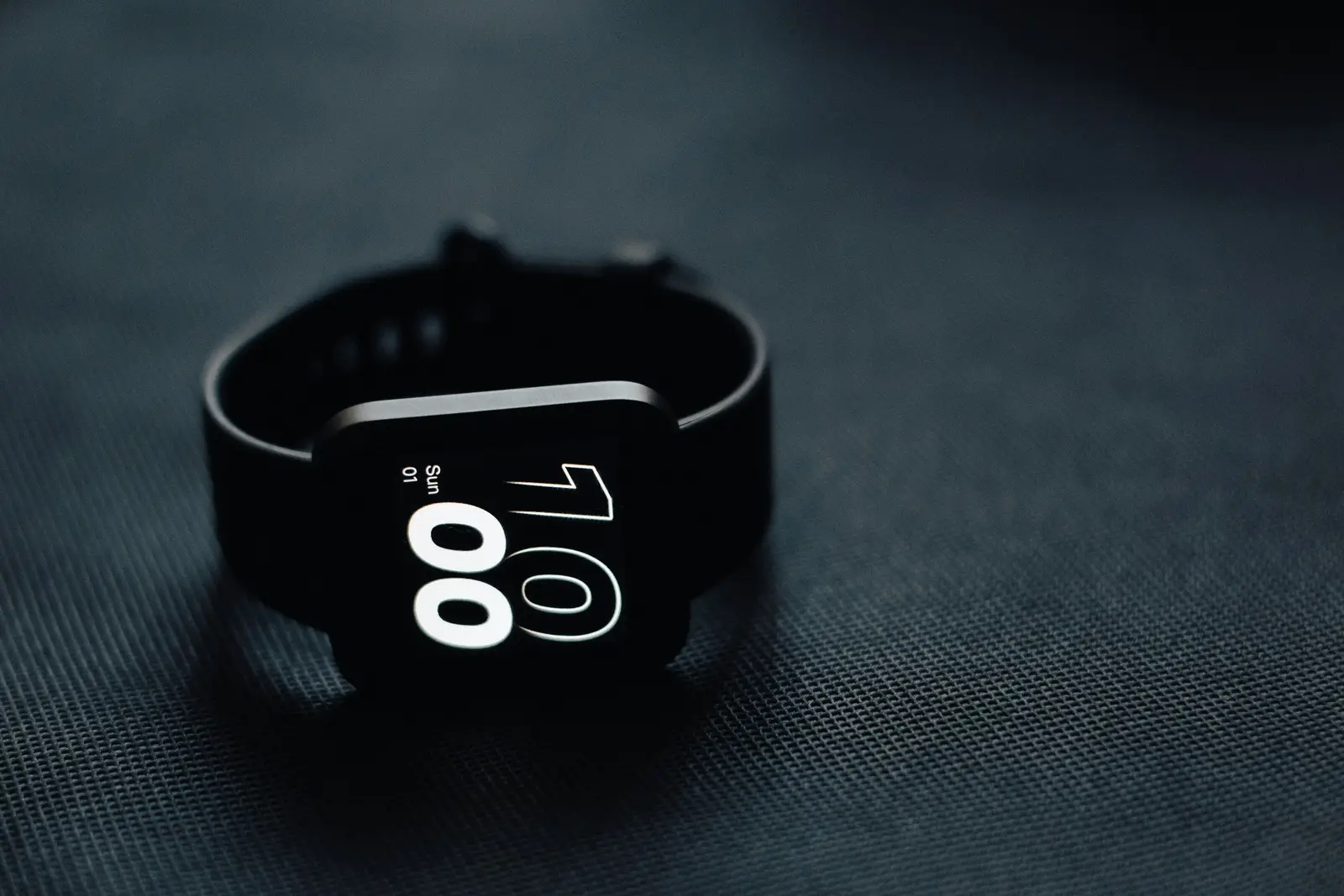
Whoop 5.0 is the pick if you want daily guidance on sleep and recovery: it's screen-free, comfortable enough to wear overnight, and the app tells you what the numbers mean.
Whoop 5.0 for sleep and recovery
The band has no screen. Multi-wavelength optical sensors read heart rate continuously, and the same platform tracks skin temperature, blood oxygen and movement. Whoop turns that stream into resting heart rate, heart rate variability, respiratory rate, sleep stages, strain and a recovery percentage. The recovery score is the useful part: a raw HRV number means little on its own, while a percentage that says you're up for a five-mile run or better off resting is something you can act on.
Battery life is listed at up to 14 days, and the Women's Health editor who has worn one for several years says she charges hers twice a month. She also forgets she has it on, which matters for a device that only works if you wear it overnight. It's rated to 10 meters of water resistance and the app runs on iOS and Android.
What the subscription covers
Whoop's band only works with a subscription, and that changes the maths. A device you buy once and keep for three years usually costs less than three years of monthly payments, so price out the full term before you decide. The subscription is what pays for the app analysis, the software updates and the recovery scores, so the money does buy something.
No screen cuts both ways. You can't glance at your wrist between sets; you open the app. Men's Health editors liked checking their data on their own schedule without a bright display pulling at them. If you want instant pace and heart rate feedback while you run, a watch or a chest strap serves you better.
A chest strap if you only want heart rate
Garmin's chest strap sends real-time heart rate over ANT+ and Bluetooth, so it pairs with gym machines, bike computers and watches. Men's Health editors liked the lightweight nylon weave and the rechargeable battery, which runs about two months and charges with a 4-pin cable. It adds running dynamics if you're a runner.
Garmin ANT+ chest strap
If you only need heart rate during workouts, a Garmin ANT+ chest strap does that job with no subscription and a two-month battery.
Two limits. It needs a snug fit to work at all, and it isn't realistic for wearing outside training, which rules it out for sleep and all-day tracking. On accuracy, the strap reads the heart's electrical signal while optical wrist sensors like Whoop's read blood flow through the skin. During hard intervals and heavy sweating, the chest strap tends to hold the cleaner signal. For steady efforts and rest, the wrist band is close enough.
Fit matters more on a small wrist
Optical sensors need skin contact. A band that slides lets light in and the reading drifts, and a smaller wrist gives the band more room to rotate. Test it before you trust it: make a fist, flex your forearm, and check whether the sensor stays flat against the same spot. Whoop's fabric band passed that test for the Women's Health editor, who wore it around the clock without irritation.
A chest strap has its own fit problem. Too loose and it slips, too tight and it's uncomfortable, and either way you get gaps in the data. Adjust the strap until it sits still through a hard effort.
Numbers you can skip
The daily score is a nudge, not a verdict. The Women's Health review notes that you should listen to your body whatever the wearable says. Two things carry more weight than one morning's readiness number: the trend across two or three weeks, and how your warm-up sets actually feel. If the score says green and the bar feels heavy, the bar is right.
Sleep debt is worth watching because it moves slowly and you can fix it. When it climbs, Whoop shows how much rest you need to get back on track. That's more useful than a strain score you can't do much about on a Wednesday.
A four-week block that uses the score
Two full-body sessions a week, 48 hours apart, for four weeks. Add weight when you hit the top of the rep range on every set. If your readiness score sits well below your own normal for two mornings running, drop the last set of each lift and keep the load. The tracker earns its keep by stopping you from grinding through a week you should be recovering from.
Week 1
Session A
- Goblet squat3 sets · 8-10 · Add 2.5 kg when you hit 10 reps on all three sets
- Dumbbell bench press3 sets · 8-10 · Add 2.5 kg at the top of the range
- One-arm dumbbell row3 sets · 10 per side · Add 2.5 kg once 10 reps are clean on both sides
- Plank3 sets · 30 seconds · Add 5 seconds per week
Session B
- Romanian deadlift3 sets · 8 · Add 5 kg when every rep stays controlled
- Half-kneeling overhead press3 sets · 8-10 · Add 2.5 kg at 10 reps
- Lat pulldown3 sets · 10-12 · Add 5 kg at 12 reps
- Dead bug3 sets · 8 per side · Slow the tempo before adding reps
Week 2
Session A
- Goblet squat3 sets · 8-10 · Repeat week 1 load and add one rep per set
- Dumbbell bench press3 sets · 8-10 · Repeat week 1 load and add one rep per set
- One-arm dumbbell row3 sets · 10-12 per side · Hold the load, add reps
- Plank3 sets · 35 seconds · Keep the hips level, no sagging
Session B
- Romanian deadlift3 sets · 8 · Hold the load if week 1 felt heavy
- Half-kneeling overhead press3 sets · 8-10 · Add 2.5 kg if all sets hit 10
- Lat pulldown3 sets · 10-12 · Add 5 kg if all sets hit 12
- Dead bug3 sets · 10 per side · Keep the lower back flat throughout
Week 3
Session A
- Goblet squat4 sets · 6-8 · Add 2.5 kg and drop two reps, build back to 8
- Dumbbell bench press4 sets · 6-8 · Same rule: heavier load, fewer reps
- One-arm dumbbell row3 sets · 10 per side · Add 2.5 kg if the last rep was clean
- Plank3 sets · 40 seconds · Stop the set when the hips drop
Session B
- Romanian deadlift4 sets · 6 · Add 5 kg only if week 2 was pain-free
- Half-kneeling overhead press4 sets · 6-8 · Add 2.5 kg and build the reps back up
- Lat pulldown3 sets · 10-12 · Hold the load if the reps got sloppy
- Dead bug3 sets · 10 per side · Add a two-second pause at full extension
Week 4
Session A
- Goblet squat2 sets · 8 · Deload: use week 2 weight, stop two reps short of hard
- Dumbbell bench press2 sets · 8 · Deload: same rule
- One-arm dumbbell row2 sets · 10 per side · Deload: easy reps only
- Plank2 sets · 30 seconds · Reset before week 5 testing
Session B
- Romanian deadlift2 sets · 8 · Deload: week 1 weight, controlled tempo
- Half-kneeling overhead press2 sets · 8 · Deload: stop two reps short
- Lat pulldown2 sets · 10 · Deload: light and smooth
- Dead bug2 sets · 8 per side · Slow and quiet
Log the loads each session. After four weeks you'll have a rep and weight history that says more about your progress than any recovery percentage, and you'll know whether the tracker's advice matched how the sessions actually went.
Frequently asked questions
- Do I need a Whoop subscription to use the band?
- Yes. The band works with the subscription; without one you're wearing a wristband. That's why editors who rate it still call it a commitment. Price out a full year, or two, before you buy. A Garmin chest strap has no subscription and covers workout heart rate.
- Is a chest strap more accurate than a wrist tracker?
- For heart rate during hard intervals, usually yes. A chest strap reads the heart's electrical signal and is less disturbed by sweat, arm movement and a loose band. Optical wrist sensors are fine at rest and for steady efforts. Fit matters on both: a strap or band that slips gives bad data fast.
- Can I swim with the Whoop 5.0?
- Yes. Whoop lists water resistance to 10 meters, which covers showers and pool laps. Check the band is snug before you get in, since a loose band on a wet wrist reads poorly.
- How often will I have to charge it?
- Whoop lists up to 14 days of battery, and the Women's Health editor charges hers roughly twice a month. Garmin's chest strap runs about two months per charge and tops up with a 4-pin cable. Longer battery means fewer gaps in your data, which matters more than it sounds.
- What should I track if I only walk and lift a few times a week?
- Resting heart rate, sleep duration and a weekly step total cover it. Daily readiness scores are less useful when your training load stays steady. Skip anything that makes you check your wrist every hour.
Sources
Related guides

Best walking and running shoes: Clifton 11 vs On Cloud X4
The Hoka Clifton 11 handles walking and easy running for most people, and the On Cloud X4 is the firmer, lighter alternative for gym days. How to pick between them.
Bear Grylls's gear list: what's worth the money, what isn't
Bear Grylls's adventure gear list runs to six items, from zero-drop shoes to a squat rack he leaves behind. Three are worth copying, three you can skip.
Best electric razors and beard trimmers: Braun takes both in 2026
The best electric razors and beard trimmers in 2026 both come from Braun, according to Men's Health's grooming editors. Here's which one to buy, and what each costs you in trade-offs.