
Best walking and running shoes: Clifton 11 vs On Cloud X4
The Hoka Clifton 11 handles walking and easy running for most people, and the On Cloud X4 is the firmer, lighter alternative for gym days. How to pick between them.
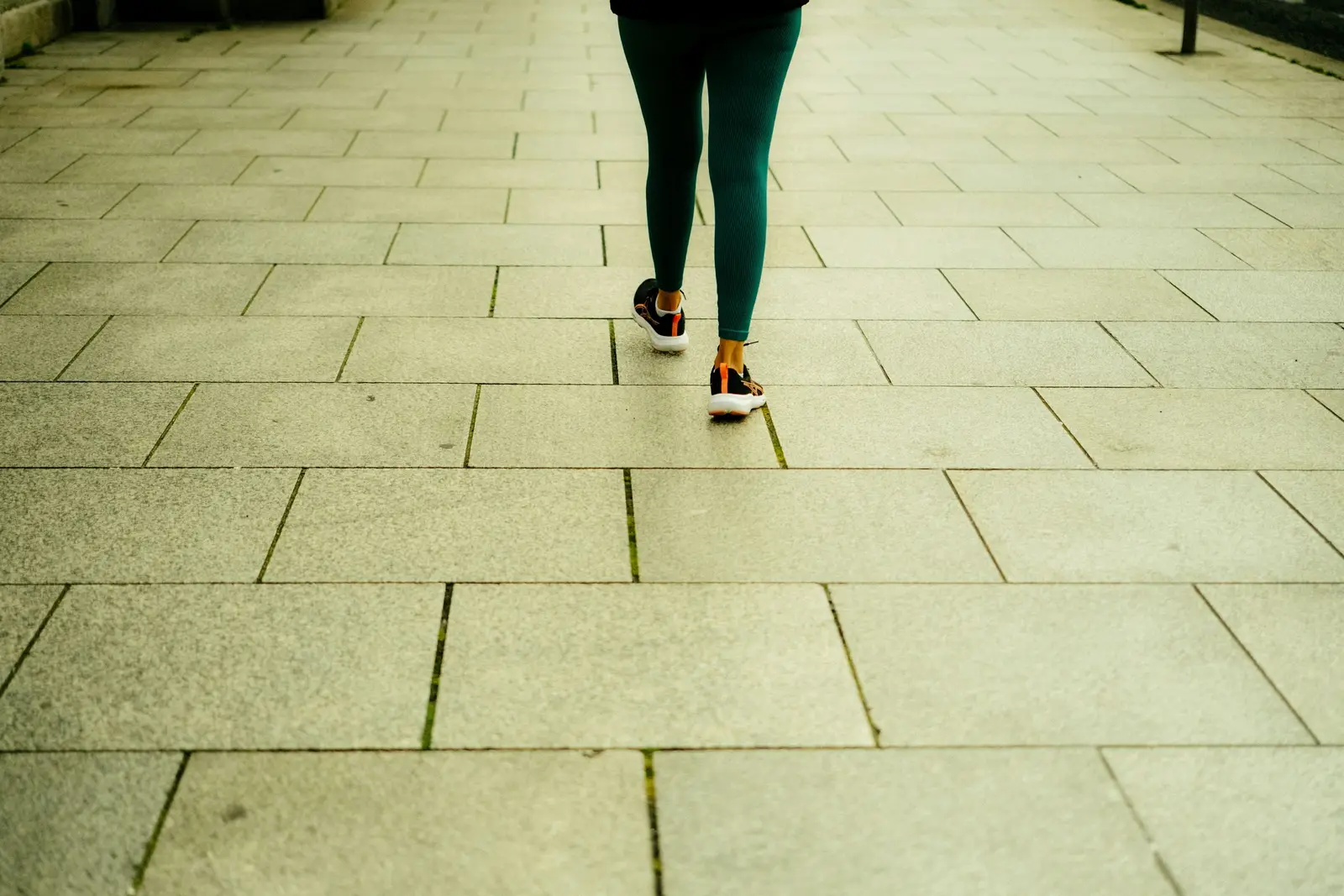
The best walking and running shoes for most people are the Hoka Clifton 11. It has maximum cushioning, an 8 mm heel-to-toe drop and a rocker sole that works at walking pace and at an easy run. If you want one pair for errands, dog walks and a few 5K mornings a week, that's the shoe.
Why one pair can do both jobs
Walking shoes and running shoes get sold separately because the loads differ. A running stride pushes more force through the same midsole, and it happens faster, so running shoes tend to be lighter and more flexible through the forefoot than a shoe built only for standing. Walkers who buy pure running shoes sometimes find them too soft and wobbly at slow speed. Runners who buy walking shoes find them heavy. The Clifton 11 sits in the overlap: enough foam for eight hours on your feet, and light enough at 8.3 oz in a women's sample and 9.5 oz in the men's to run in.
What the Clifton 11 gets right
There's a 38 mm heel stack of EVA foam underfoot, the same foam in the Bondi 9 without the extra bulk, according to Women's Health. The 8 mm drop is a gentle slope, and Women's Health reports that drop is there to ease pressure on the plantar fascia, the band under the arch that gets sore in a lot of new walkers.
Hoka cut almost half an ounce off the Clifton 10, mostly through the upper, and the 11 uses a jacquard knit that adapts across the top of the foot, Men's Health reports. The curved Metarocker sole does the rest by tipping you from heel to toe so you spend less energy pushing off. Women's Health style editor Shannon Zitz tested a pair and said the rocker was subtle enough that she barely noticed it, her stride felt smooth walking or running, and her feet never felt fatigued despite plantar fasciitis.
Men's Health points out that the shoe carries the American Podiatric Medical Association's seal of acceptance. The APMA accepts shoes that meet its criteria, and it knows nothing about your particular feet, so treat the seal as a low bar cleared.
Where the Clifton 11 comes up short
The toe box measures 94 mm and runs narrow. Hoka sells wide sizing in this model, so the fix exists, but order the wide if your forefoot spreads when you land or you've been sized out of other brands' standard widths.
Stability is the bigger gap. The Clifton 11 is a neutral shoe with no medial post, and Women's Health notes it offers nothing for flat feet or overpronation. If someone assessed your gait and told you to buy stability shoes, this isn't one of them.
It's also a lot of shoe for fast running. Women's Health lists the high cushioning as a reason it isn't great for sprinting. Hoka sells the Clifton Pro alongside the 11 for faster sessions if that's your goal. Neither source lists a retail price for the Clifton 11, so check Hoka's site or a retailer before you set a budget.
Pros
- 38 mm of the same EVA foam as the Bondi 9, without the bulk
- 8 mm drop and a subtle rocker that rolls you forward
- Almost half an ounce lighter than the Clifton 10, at 8.3 oz women's and 9.5 oz men's
- Wide sizing available
- APMA seal of acceptance
Cons
- 94 mm toe box runs narrow in the standard width
- Neutral only, with nothing for overpronation
- Maximum cushioning is too much for sprinting
- Retail price not listed in either source
The On Cloud X4 for gym floors and short city walks
The Cloud X4 is On's crossover trainer and the better second pair if your walking happens mostly on pavement and gym floor. Men's Health calls it featherweight, with a breathable mesh upper that stays cool and plusher padding around the heel and tongue than the X3 had. Most of the update sits in the underfoot unit.
Its limit is depth of cushioning. Men's Health lists "not ideal for those wanting deep cushioning" as the con, which is the same firmness that makes it feel quick on a treadmill and steady under a barbell. Standing on concrete for eight hours is a different job, and the Clifton does that job better.
How to choose between them
- Long days on your feet, weekend walks, easy runs: Clifton 11.
- Gym sessions, short commutes, a firmer ride: Cloud X4.
- A gait assessment that pointed you toward stability shoes: neither of these.
- Wide forefoot: Clifton 11 in wide, bought somewhere with free returns.
One pair is enough to start. Rotating two pairs spreads the wear and gives the foam a day to bounce back, which helps once you're walking or running most days. It isn't a requirement for week one.
A four-week build for walking and running in one pair
Your feet and calves adapt to running minutes more slowly than your lungs do, which is why new runners get shin and top-of-foot pain in week two. This plan keeps the running short and the walking long for the first two weeks. Two sessions a week is the minimum; add an easy walk on a third day if you have time.
Week 1
Session A: walk-run, 30 minutes
- Brisk walk warm-up1 sets · 5 minutes · Same pace all four weeks
- Run/walk intervals6 sets · 1 minute run, 2 minutes walk · Stay at six repeats until the last one feels like the first
- Easy walk cool-down1 sets · 5 minutes · Slower than the warm-up
Session B: continuous walk
- Steady walk1 sets · 30 minutes · Add 5 minutes in week 3
Week 2
Session A: walk-run, 32 minutes
- Brisk walk warm-up1 sets · 5 minutes · Keep it conversational
- Run/walk intervals8 sets · 1 minute run, 2 minutes walk · Two more repeats than week 1
- Easy walk cool-down1 sets · 5 minutes · Keep it slow
Session B: continuous walk
- Steady walk1 sets · 35 minutes · Hold 35 minutes through week 4
Week 3
Session A: walk-run, 30 minutes
- Brisk walk warm-up1 sets · 5 minutes · Same as week 2
- Run/walk intervals5 sets · 2 minutes run, 2 minutes walk · Longer runs, fewer of them
Session B: easy run
- Continuous easy run1 sets · 15 minutes · Slow enough to hold a conversation
Week 4
Session A: walk-run, 32 minutes
- Brisk walk warm-up1 sets · 5 minutes · Same as week 3
- Run/walk intervals4 sets · 3 minutes run, 2 minutes walk · Drop to 3 repeats if the last one falls apart
Session B: continuous run
- Easy run1 sets · 20 minutes · Repeat week 4 for a month before adding time
If a session leaves you sore for two days, repeat that week. Pain on the front of the shin or the top of the foot means you added running minutes too fast, and the answer is more walking, not different shoes.
Fit notes before you order
Try shoes on late in the afternoon when your feet are widest, wear the socks you'll walk in, and leave a thumb's width between your longest toe and the end of the shoe. Women's Health's spec puts the Clifton's toe box at 94 mm and calls it narrow, so if you're between widths, take the wide. If you have a history of plantar fasciitis or a diagnosed foot condition, get fitted by someone who can watch you walk rather than guessing from a spec sheet, and check with a clinician before you build up mileage.
FAQ
- Can you run in the Hoka Clifton 11?
- Yes. It's a running shoe that walkers adopted, with an 8 mm drop and maximum cushioning. Women's Health's tester ran and walked in it and reported a smooth stride in both. It isn't built for sprinting, and Hoka sells the Clifton Pro for faster work.
- Is the Clifton 11 good for overpronation?
- No. It's a neutral shoe with no stability features, and Women's Health notes it doesn't address flat feet or overpronation. If you've been assessed and told you need a stability shoe, buy one.
- What changed between the Clifton 10 and Clifton 11?
- The midsole stayed the same. Hoka trimmed almost half an ounce mainly through the upper, and the 11 uses a jacquard knit that adapts more across the top of the foot.
- Are On Cloud X4 good for walking all day?
- They're fine for short walks and gym days. Men's Health lists lack of deep cushioning as the con, so if you stand on concrete for eight hours, the Clifton 11 is the better pick.
- Do you need two pairs of walking and running shoes?
- No. One pair works. Rotating two spreads the wear and gives foam a day to recover, which helps once you're active most days but changes nothing in your first month.
Sources
Related guides
Best fitness trackers for women: Whoop or a Garmin strap
Whoop 5.0 is the tracker to beat for sleep and recovery, but it needs a subscription. A Garmin chest strap covers workout heart rate. How to choose, and which numbers to ignore.
Bear Grylls's gear list: what's worth the money, what isn't
Bear Grylls's adventure gear list runs to six items, from zero-drop shoes to a squat rack he leaves behind. Three are worth copying, three you can skip.
Best electric razors and beard trimmers: Braun takes both in 2026
The best electric razors and beard trimmers in 2026 both come from Braun, according to Men's Health's grooming editors. Here's which one to buy, and what each costs you in trade-offs.