
The Clifton 11 is the best Hoka walking shoe, with one catch
The Clifton 11 is the best Hoka walking shoe for most people: about half an ounce lighter than the Clifton 10, with an 8 mm drop. The toe box is narrower, so try the wide width.
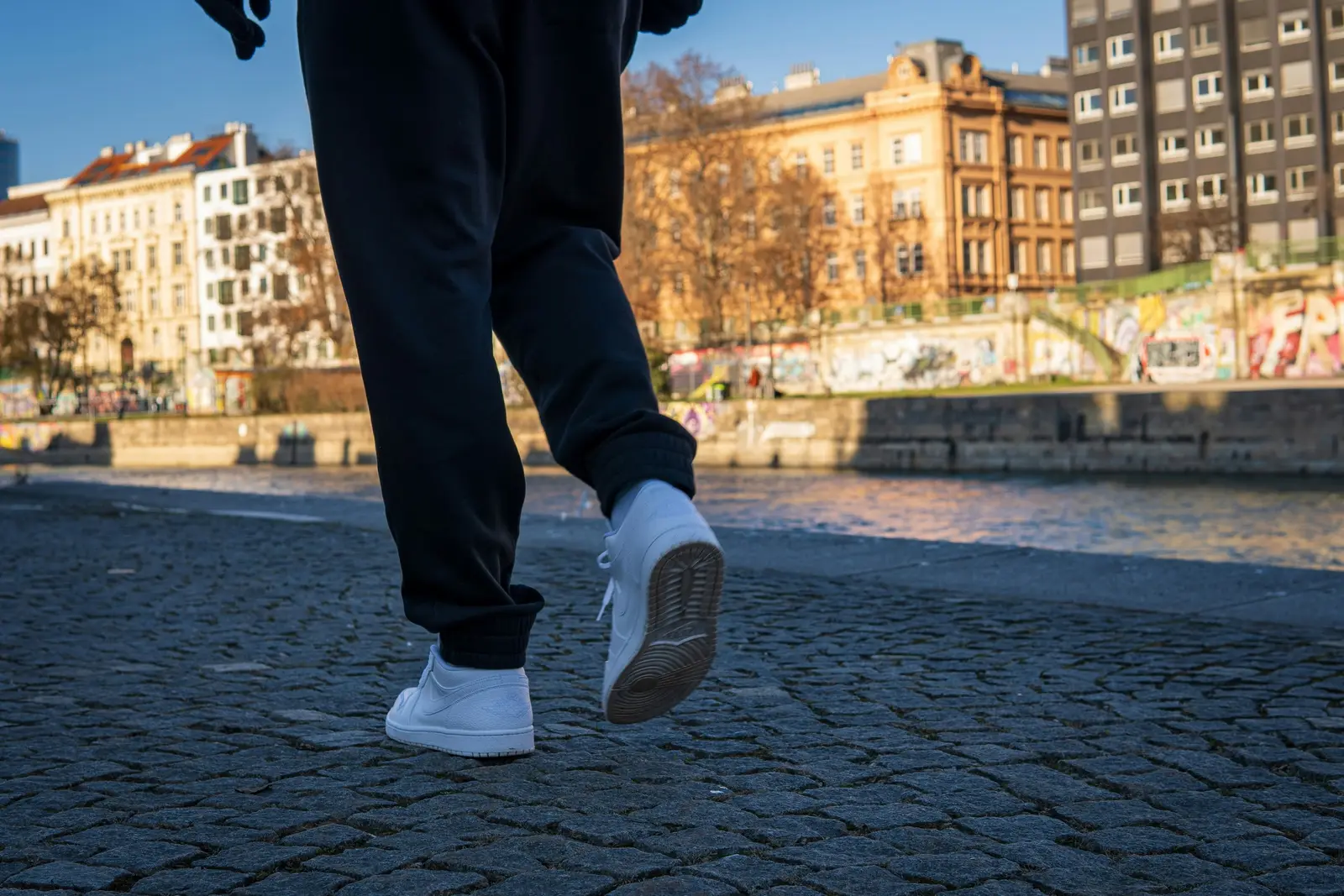
For most people, our best Hoka walking shoes are the Clifton 11. We wore nearly every model in the Hoka lineup and rank the Clifton 11 first for walking; we like the Clifton 10 too. The reasons are plain: Hoka cut close to half an ounce of weight, the foam absorbs impact, and the outsole holds. The fit changed in one way you should plan around.
What changed from the Clifton 10
Hoka shaved nearly half an ounce off the Clifton 11. The heel-to-toe drop stayed at 8 mm, a mild drop that spreads pressure across the whole foot and puts less angle on the calf and Achilles than a low-drop shoe would. There is a rocker built into the sole, though the tester barely noticed it: her stride felt smooth whether she was walking or running. The rubber outsole gave traction she trusted on wet pavement and on slippery subway stairs.
The toe box is narrower, and that decides your size
The forefoot is the one fit change from the Clifton 10. The tester preferred the snugger fit because her foot stopped sliding around, and she didn't feel cramped in it. If you have a wide forefoot, or you liked the room in the older version, order the wide width. Hoka sells the Clifton 11 in wide sizes. Sizing up adds length you don't need and tends to leave the heel loose, which is how blisters start on a long walk.
What the wear testing showed
The Clifton 11 stayed comfortable across several hours at a time and never felt bulky or clunky, which is unusual for a shoe with this much foam underfoot. The tester's walks covered New York sidewalks and a treadmill, and the foam handled both. She has plantar fasciitis and reported no foot fatigue in this pair. That is a single person's report with no clinical trial behind it, so treat it as an encouraging data point rather than proof the shoe treats anything.
She also found the ride smooth enough to run in. If you want one pair for walking commutes and the occasional easy jog, the Clifton 11 covers both.
Pros
- About half an ounce lighter than the Clifton 10
- 8 mm heel drop that spreads pressure across the foot
- Foam absorbs impact on pavement and on a treadmill
- Rubber outsole grips wet stairs and pavement
- Comfortable over several hours at a time
Cons
- Toe box is narrower than the Clifton 10
- Wide forefeet need the wide width
- The rocker is subtle, so don't expect a strong roll-through
Who it suits and who should skip it
Buy the Clifton 11 if you walk on pavement or a treadmill, stand for long shifts, or want a light shoe with soft cushioning for daily miles. Skip it if you want a firm, grounded ride, a pronounced rocker to push you through toe-off, or a roomy forefoot in the standard width. If a clinician has fitted you for a stability shoe, buy that category again. A soft, cushioned shoe doesn't replace the support you were fitted for.
Cushioning, drop and rocker, in plain terms
The midsole foam is the part that takes the load. More of it means less peak pressure on your heel and forefoot over a long day, at the cost of some ground feel. The 8 mm drop tilts you slightly forward from heel to toe, which most walkers find easier on the calves than a flat shoe. A rocker is a curve in the sole that rolls you toward toe-off; on the Clifton 11 it sits in the background. If you've tried a shoe with an aggressive rocker and liked that push, this one won't give it to you.
Price and the Clifton Pro
Hoka launched the Clifton 11 alongside a new Clifton Pro. The material I have doesn't include specs, prices or testing for the Pro, so the Clifton 11 is the safer buy until there's more information on it. Prices for the Clifton 11 aren't published in the sources I worked from either, so check Hoka's site or a running shop before you budget for a pair.
How to check the fit at home
- Wear the socks you actually walk in, and try the shoes late in the day when your feet are at their largest.
- Leave a thumb's width between your longest toe and the end of the shoe.
- Walk five minutes on a hard floor. Your heel should stay put without you craning the laces tight.
- Check the wide width before you go up half a size if the forefoot feels tight.
How to add miles without wrecking your feet
New shoes won't protect you from a jump in mileage. Walk a week at your normal distance first, then build in small steps: minutes before pace, and pace before hills. The four-week plan below follows that order, which keeps your calves and Achilles from taking the hit.
Week 1: base
Easy walk
- Continuous walk1 sets · 20 minutes at a pace where you can hold a conversation · Add 5 minutes in week 2
Walk with pickups
- Brisk pickups4 sets · 1 minute brisk, 2 minutes easy · Add one pickup each week up to six
Week 2: add time
Easy walk
- Continuous walk1 sets · 25 minutes easy · Keep the pace easy and add 5 minutes in week 3
Walk with pickups
- Brisk pickups5 sets · 1 minute brisk, 2 minutes easy · Hold the same pace for one more pickup next week
Week 3: add pace
Longer walk
- Continuous walk1 sets · 30 minutes easy · Stay at 25 minutes if your calves feel tight
Walk with pickups
- Brisk pickups6 sets · 1 minute brisk, 2 minutes easy · Keep six pickups and make each one slightly faster
Week 4: hold and review
Easy walk
- Continuous walk1 sets · 30 minutes easy · Repeat this week before adding distance again
Fit check walk
- Pavement walk in your usual socks1 sets · 10 minutes · Note any heel slip or toe pressure and adjust lacing or width
How long a walking shoe lasts
Replace a walking shoe when the midsole stops springing back or the outsole rubber wears through at the outer heel. Press a thumb into the foam under the forefoot and compare it with a new pair; if it collapses easily, the cushioning is spent even when the upper still looks fine. Walking on worn foam moves load to your feet and knees.
When foot pain needs a clinician
Heel pain that is worst on your first steps in the morning, or that lasts more than two weeks, is worth a visit to a physiotherapist or doctor. Shoes can make walking more comfortable; they don't resolve plantar fasciitis on their own. One tester's good experience is a reason to try the Clifton 11, not a reason to skip the appointment.
FAQ
- Are Hoka Cliftons good for walking?
- Yes, for most walkers. Women's Health's wear testing ranked the Clifton 11 first among Hoka models for walking, citing its light weight, soft midsole and grippy outsole. It works on pavement and on a treadmill and stayed comfortable over several hours at a time.
- Should I size up in the Clifton 11?
- Try the wide width before you size up. Hoka narrowed the toe box on the 11 compared with the 10, so a wide fit solves forefoot room without adding length. If your heel already slips, sizing up makes that worse.
- What is the heel drop on the Clifton 11?
- 8 mm, the same as the Clifton 10. A mild drop spreads load across the foot and puts less angle on the calf and Achilles than a low-drop or flat shoe.
- Is the Clifton 11 good for plantar fasciitis?
- One tester with plantar fasciitis reported no foot fatigue in the Clifton 11. That is a single report, not medical evidence. If heel pain is severe or lasts weeks, see a physiotherapist or doctor; a shoe can make walking easier but won't fix the cause.
- Can you walk in Hoka running shoes?
- Yes. The Clifton 11 is a road running shoe that also works for long walks. The tester used it for both, and the foam absorbed impact on pavement and on a treadmill without feeling bulky.
Sources
Related guides
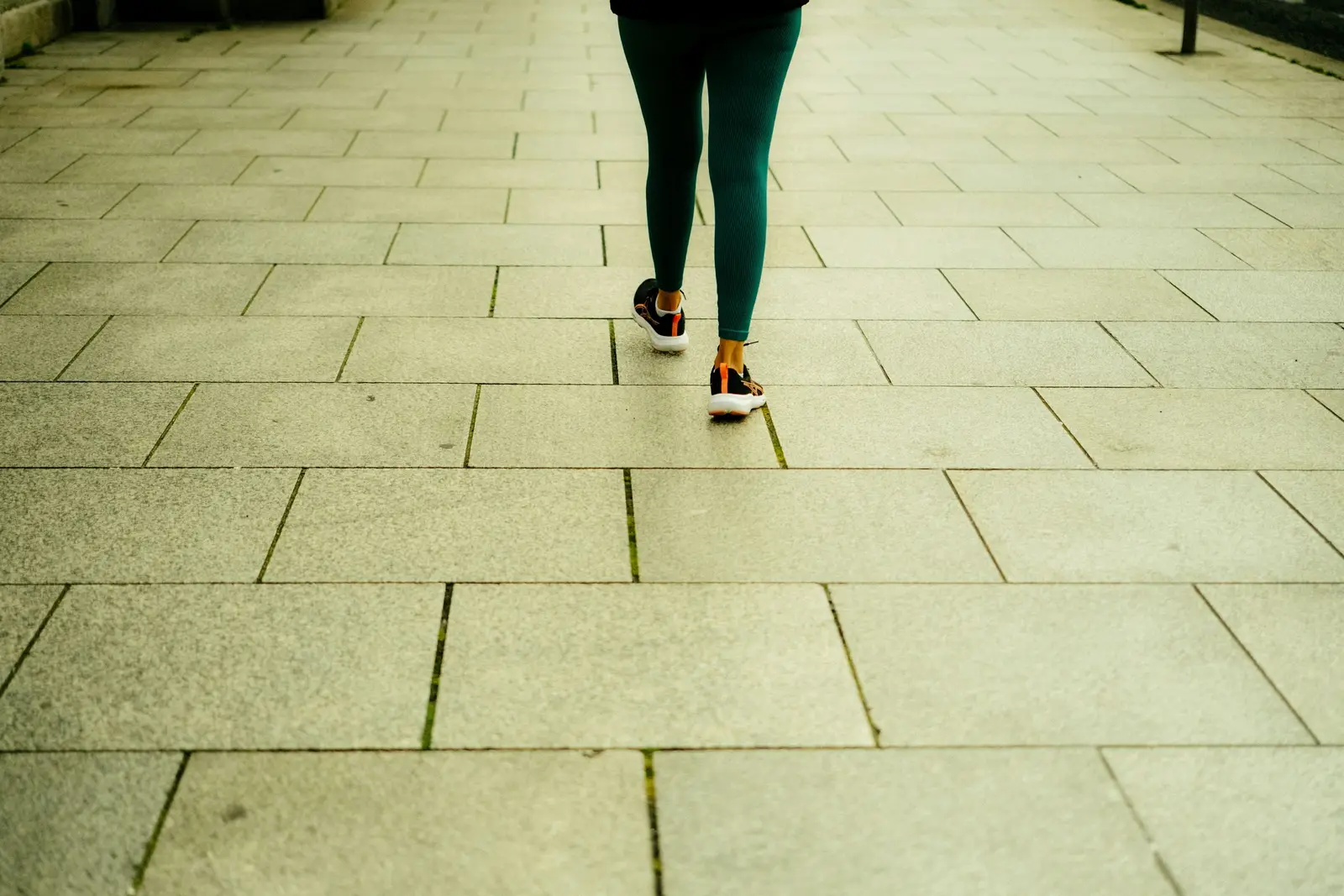
Best walking and running shoes: Clifton 11 vs On Cloud X4
The Hoka Clifton 11 handles walking and easy running for most people, and the On Cloud X4 is the firmer, lighter alternative for gym days. How to pick between them.
Best fitness trackers for women: Whoop or a Garmin strap
Whoop 5.0 is the tracker to beat for sleep and recovery, but it needs a subscription. A Garmin chest strap covers workout heart rate. How to choose, and which numbers to ignore.
Bear Grylls's gear list: what's worth the money, what isn't
Bear Grylls's adventure gear list runs to six items, from zero-drop shoes to a squat rack he leaves behind. Three are worth copying, three you can skip.