Strength training vs muscle size: what matters after 70
Muscle size and strength are separate adaptations, and the longevity case leans on strength. Here's how a 78-year-old reached a 132 lb deadlift, and how to split your own training.
Building muscle with proven principles: progressive overload, training volume, recovery and nutrition explained for beginners and lifters alike.
Featured
Muscle size and strength are separate adaptations, and the longevity case leans on strength. Here's how a 78-year-old reached a 132 lb deadlift, and how to split your own training.
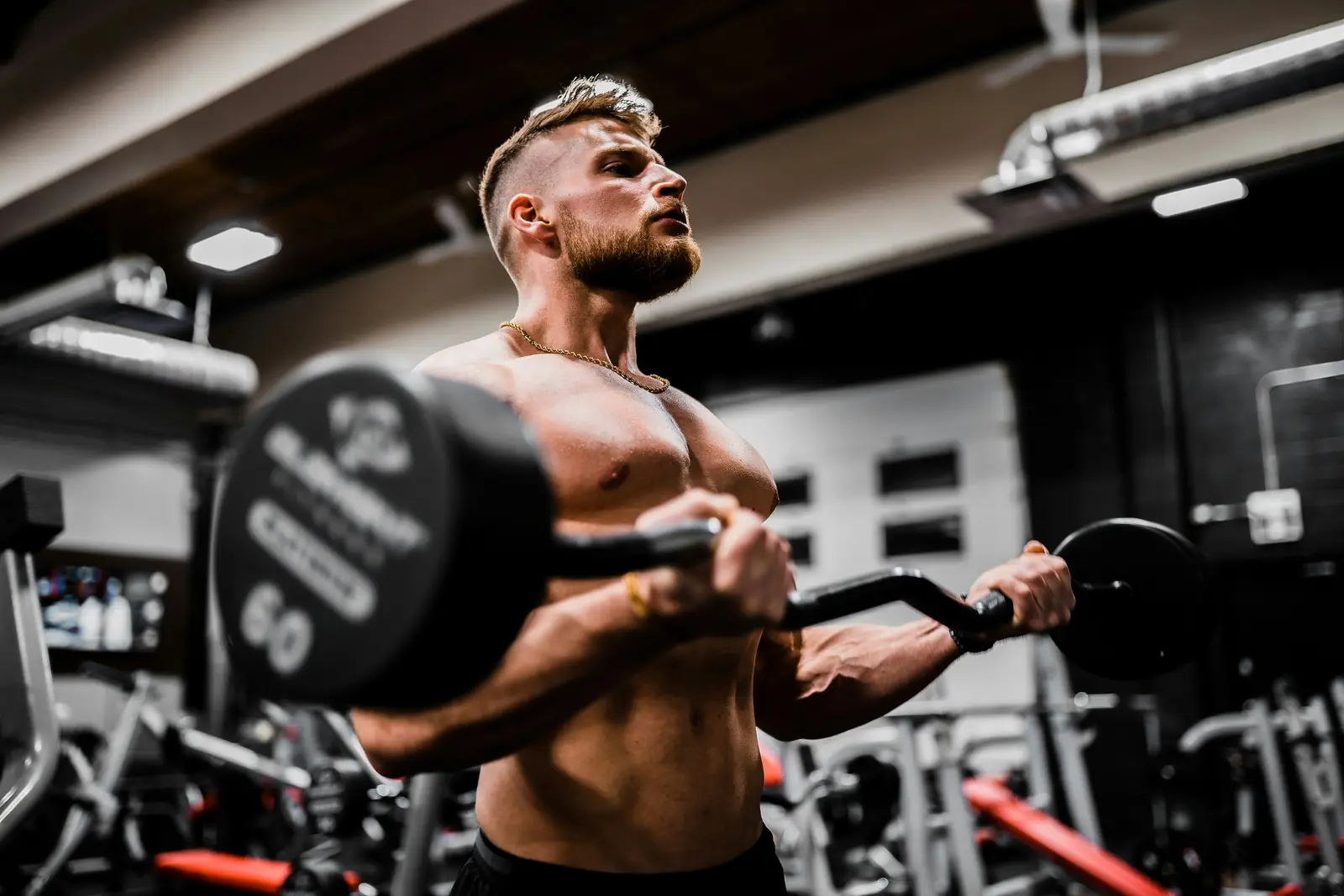
A straight bar forces both wrists into one angle. Here are five curl variations that train the biceps just as hard, plus how to load them and when wrist pain needs a professional.
Loaded hollow holds, cable crunches and four more weighted ab exercises, with the sets, reps and weekly loading scheme that actually builds core strength.
Pelland's meta-analysis found more weekly sets per muscle generally meant more growth, up to roughly 30-40, with diminishing returns. Intensity matters, but it cannot replace volume.
Back-to-back lifting days work when each session keeps per-muscle volume moderate. Three studies found no size or strength difference between spaced and consecutive training.
Ahmed Juraybi won the men's open at the 2026 Romania Muscle Fest Pro in Bucharest, taking a 15-man class and the first Saudi Olympia qualification. Full results for all 10 divisions.
Muscle size and strength are weakly linked in beginners and tightly linked in trained lifters, where size explains roughly 60-70% of strength gains. Here's how to train for either goal.
Free weights let you add load in small steps and train the stability machines skip. Machines let you push sets close to failure without a spotter. Most lifters should use both, in that order.