
Six weighted ab exercises that beat a thousand crunches
Loaded hollow holds, cable crunches and four more weighted ab exercises, with the sets, reps and weekly loading scheme that actually builds core strength.
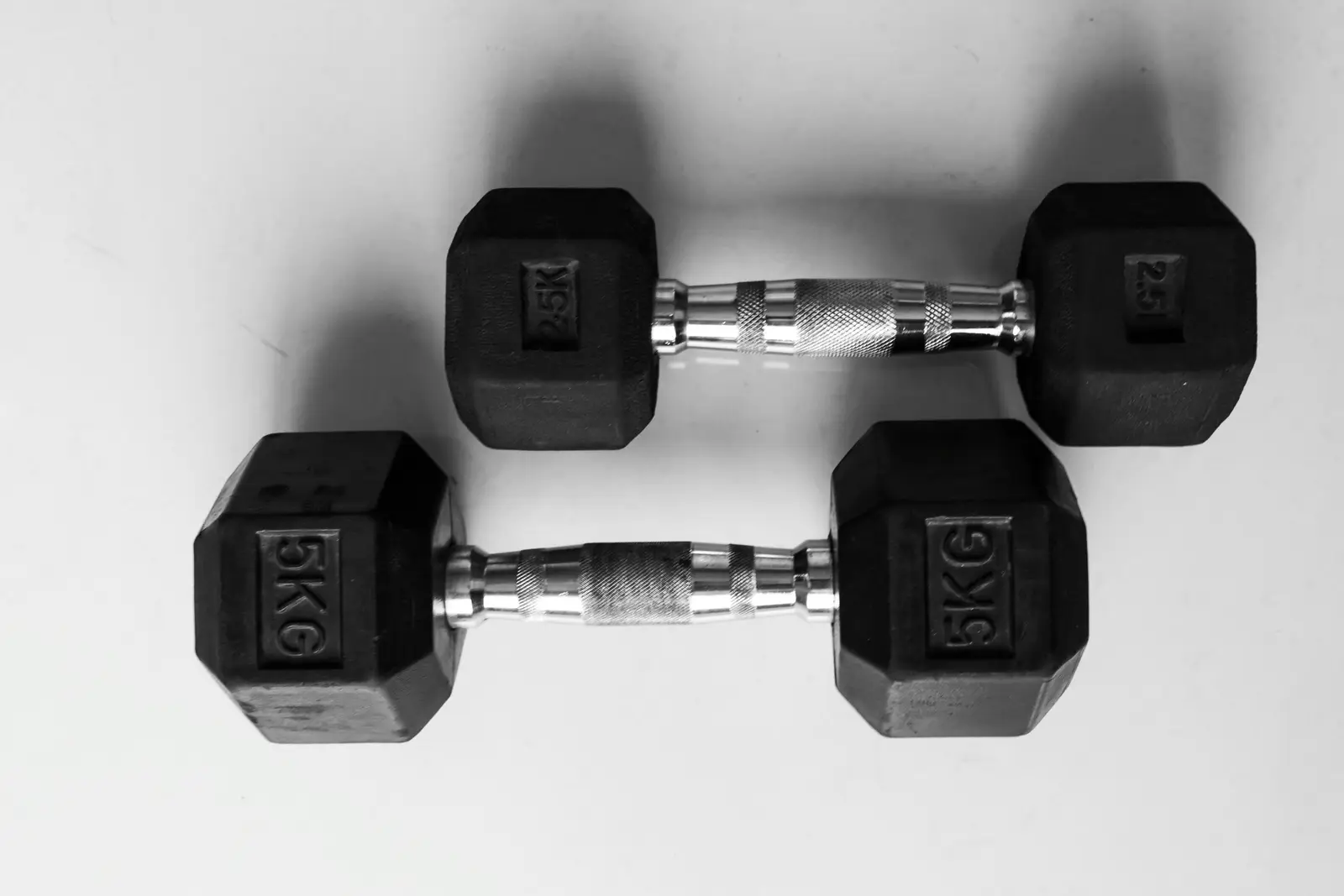
Your abs respond to added weight the way your chest and arms do, and that is the whole argument for loaded core work. The best weighted ab exercises are the ones where you can hold a plate, grab a cable or hang a dumbbell between your feet, then add load or reps over months. Six of them are below, with the sets, reps and a four-week plan to run them.
Why more crunches stop working
Don Saladino, who sits on the Men's Health advisory board, told the magazine that most people "sit there and pump out a thousand crunches" chasing a burn, and that he trains abs the way he trains every other muscle group. The mechanism behind that is progressive overload. A muscle grows when you ask it to do more than last time, and with bodyweight crunches your only lever is reps. Sets of 30 or 50 take a while, train endurance more than size, and your hip flexors and neck usually quit before your abs do.
Load gives you a second lever. A cable stack moves in small increments, plates come in 1.25 to 5 kg steps, and dumbbells jump by 2 kg or more. That's how you keep adding stimulus once 30 crunches feel like nothing. It's also why each movement below is worth the setup time: there's a clear place to put the weight, and a clear way to add more.
The six exercises
Treat the sets and reps as starting points. The loading rules matter more than the exact numbers, and the exercise you can feel in your abs is worth more than the one that looks impressive on video.
Cable crunch
Kneel facing a high pulley with a rope attachment and hold the ends beside your ears. Keep your hips over your knees and curl your ribs toward your pelvis. The weight moves because your spine flexes; if you're sitting back onto your heels, the stack is too heavy. Three sets of 10 to 15 reps, and add one plate or one notch when you hit 15 clean reps on all three sets. Most people start too heavy here and pull with their arms, so spend the first two sessions at a weight that feels too light.
Weighted decline sit-up
Set a decline bench to a shallow angle, hold a plate against your chest or a dumbbell under your chin, and sit up under control. Three sets of 8 to 12 reps. A steeper decline makes the rep easier, so don't read that as progress; add weight instead. If your hip flexors do most of the work, shorten the range and curl your spine rather than hinging at the hip.
Loaded hollow hold
Saladino and Men's Health fitness director Ebenezer Samuel list this among their must-do ab exercises because it teaches you to brace. Lie on your back, drive your lower back into the floor, lift your shoulder blades and legs, and hold a plate overhead or against your chest. Start at 20 seconds unloaded, then 20 to 30 seconds with 2.5 to 10 kg. When 30 seconds is easy with your lower back still flat, reach the plate further behind your head. That longer lever is the progression most people skip.
Hanging leg raise with a dumbbell
Hang from a pull-up bar with a dumbbell held between your feet or ankles. Keep your ribs down and lift your legs to hip height or above without swinging. Three sets of 8 to 12. Grip usually fails before your abs do, so use straps if you need them. Progress by adding weight between the feet, then by lifting your legs higher with control.
Pallof press
Set a cable at chest height and stand side-on to the stack. Press the handle straight out from your chest, hold for a second, and resist the pull that wants to rotate you toward the machine. Three sets of 10 per side. Add weight when you can hold the end position without your torso turning.
Suitcase carry
Pick up the heaviest dumbbell you can hold in one hand and walk for 30 to 40 seconds without leaning toward or away from it. Three or four carries per side. This is the closest thing on the list to a heavy lift for your core, and the progression is simple: more time, then more weight.
How to fit loaded ab work into your week
Two sessions a week is enough. Six to ten hard sets total, spread across the two or three exercises you picked, is a workload your abs can recover from while you keep squatting and deadlifting. Put the work at the end of a session or on its own day. Heavy carries and hanging raises right before a max deadlift will cost you, because a tired brace is a bad brace.
Keep two of the six in rotation for eight to twelve weeks and change the loading. Swapping movements every fortnight feels productive and makes it impossible to tell whether you're getting stronger.
Mistakes that waste the work
- Chasing the burn. A set of 50 fast crunches feels like effort and gives you nothing to progress from.
- Adding weight before you can control the movement. A cable crunch performed with your arms is a bad triceps exercise.
- Letting your lower back arch in hollow holds and hanging raises. End the set when the position goes.
- Training abs only when you have time left at the end. Give them a slot in the week like any other muscle.
- Holding your breath through every rep. Breathe behind the brace.
A four-week loading plan
This runs two core sessions a week for four weeks. Week one sets your starting loads, weeks two and three add work, and week four backs off so you can start the next block heavier than you started this one. Rest 60 to 90 seconds between sets.
Week 1: set your starting loads
Session A: flexion and carry
- Cable crunch3 sets · 10-12 · Light enough that your arms don't pull. Write down the stack number.
- Loaded hollow hold3 sets · 20 seconds · Bodyweight only this week. Lower back stays flat.
- Suitcase carry3 sets · 30 seconds per side · A weight you can hold without leaning.
Session B: anti-rotation and hanging
- Weighted decline sit-up3 sets · 8-10 · Shallow decline, light plate on the chest.
- Hanging leg raise3 sets · 8 · Bodyweight. Use straps if grip fails first.
- Pallof press3 sets · 10 per side · Light cable, one-second hold at full extension.
Week 2: add a little load
Session A: flexion and carry
- Cable crunch3 sets · 12 · One plate or one stack notch heavier than week 1.
- Loaded hollow hold3 sets · 20 seconds · Add a 2.5 to 5 kg plate.
- Suitcase carry4 sets · 30 seconds per side · Same weight, one extra carry per side.
Session B: anti-rotation and hanging
- Weighted decline sit-up3 sets · 10 · Add 2.5 kg or two reps.
- Hanging leg raise3 sets · 8 · Add ankle weights or a light dumbbell between the feet.
- Pallof press3 sets · 10 per side · One notch heavier, hold the end position for a second.
Week 3: more work at the same weight
Session A: flexion and carry
- Cable crunch4 sets · 12 · Extra set at week 2 load. Add weight only if every rep is clean.
- Loaded hollow hold3 sets · 25-30 seconds · Same plate, longer hold with the lower back flat.
- Suitcase carry4 sets · 40 seconds per side · Same load, more time.
Session B: anti-rotation and hanging
- Weighted decline sit-up4 sets · 10 · Extra set before you add any weight.
- Hanging leg raise3 sets · 10 · Legs higher, no swing.
- Pallof press3 sets · 12 per side · Same load, more reps.
Week 4: back off, then retest
Session A: flexion and carry
- Cable crunch2 sets · 10 · Drop a set, keep the weight.
- Loaded hollow hold2 sets · 20 seconds · Easy holds.
- Suitcase carry2 sets · 30 seconds per side · Same load as week 3.
Session B: anti-rotation and hanging
- Weighted decline sit-up2 sets · 8 · Light plate.
- Hanging leg raise2 sets · 8 · Bodyweight, slow tempo.
- Pallof press2 sets · 10 per side · Light cable.
Frequently asked questions
- How many weighted ab exercises should I do per workout?
- Two or three. Six to ten hard sets across the week is plenty for a muscle group you also use in every squat and deadlift. Cover one flexion movement like cable crunches, one anti-extension move like a loaded hollow hold, and one carry or anti-rotation move.
- Can weighted ab exercises give you visible abs?
- They build the muscle, but visibility comes down to body fat. Loading your abs makes them thicker and stronger; it won't strip fat off your midsection. If seeing abs is the goal, the calorie deficit does more of that work than exercise selection.
- Will weighted ab training make my waist wider?
- Not in any meaningful way. The muscles grow, but ab hypertrophy over a few months is small next to what overall body fat does to your waist measurement. Carries and cable crunches won't make you blocky.
- Can I do these at home with one dumbbell?
- Yes for hollow holds, weighted sit-ups, suitcase carries and leg raises with a dumbbell between your feet. You need a dumbbell plus a bench or floor space. Cable crunches and Pallof presses need a cable stack or a band anchored at chest height.
- How long before weighted ab work shows up?
- Give it eight to twelve weeks of twice-weekly loading before you judge it. Strength on these specific lifts moves faster, often within three or four weeks, because a lot of that early gain is skill rather than muscle.
- Should I do weighted ab work if my lower back hurts?
- Get the pain checked first. Loaded flexion and carries can suit a healthy back, but a diagnosed disc or hernia problem changes which exercises are sensible. That's a conversation with a physiotherapist or doctor, not a plan you copy from a blog.
Sources
Related guides
Strength training vs muscle size: what matters after 70
Muscle size and strength are separate adaptations, and the longevity case leans on strength. Here's how a 78-year-old reached a 132 lb deadlift, and how to split your own training.
Barbell curls hurt your wrists? 5 swaps that still build
A straight bar forces both wrists into one angle. Here are five curl variations that train the biceps just as hard, plus how to load them and when wrist pain needs a professional.
Volume vs intensity for muscle growth: more sets win, with a catch
Pelland's meta-analysis found more weekly sets per muscle generally meant more growth, up to roughly 30-40, with diminishing returns. Intensity matters, but it cannot replace volume.