
Strength training vs muscle size: what matters after 70
Muscle size and strength are separate adaptations, and the longevity case leans on strength. Here's how a 78-year-old reached a 132 lb deadlift, and how to split your own training.
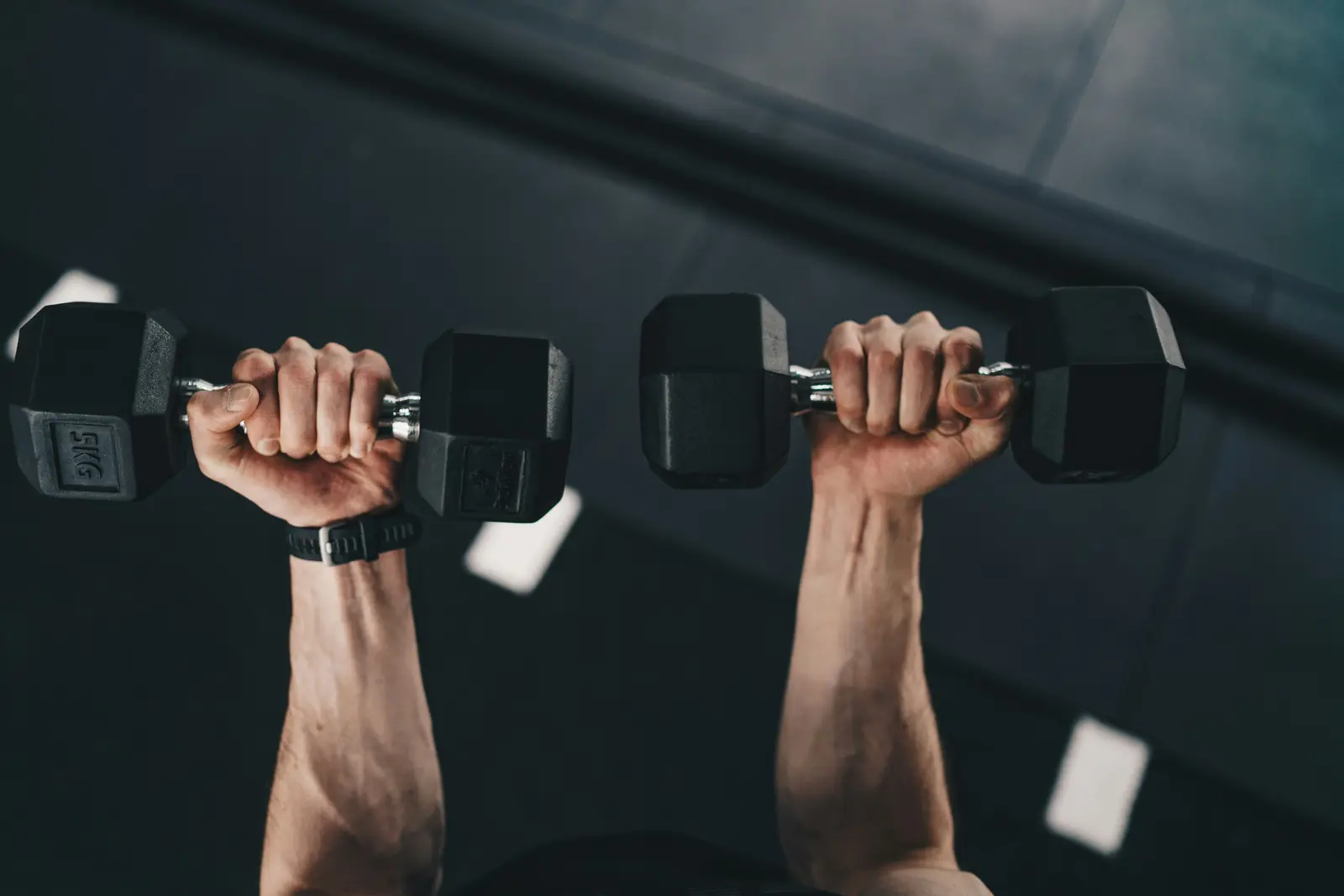
Strength training vs muscle size comes down to two adaptations that share a barbell. Hypertrophy training makes a muscle bigger. Strength training makes it produce more force, which you measure as the weight you can lift on a given exercise. Vonda Wright, MD, an orthopedic surgeon who researches longevity and muscle health, draws the line the same way: larger muscles have the potential to produce more force, but size alone doesn't determine strength. She notes that a smaller person can sometimes out-lift someone with visibly bigger muscles.
Size and strength are two different adaptations
The training looks different too. To build size, you take a moderate load and pile up reps close to failure so the muscle does a lot of work. To build force, you put a heavier load on the bar, keep the reps low and rest long enough that the next set is actually good. For your first few months of training, either approach gives you some of both, which is why beginners add weight and visible muscle at the same time and then the two goals start to separate.
That separation is the thing to plan around. If you spend a year chasing a pump with light weights and high reps, you'll add some size and very little top-end strength. If you spend a year adding weight to a squat and a deadlift, you'll get stronger and you'll probably get bigger too, just not as fast as a dedicated hypertrophy block would make you.
What the longevity case rests on
Mark Kovacs, PhD, an exercise physiologist and founder of the Kovacs Institute in Atlanta, makes the case for keeping both. Muscle supports your joints and bones, it helps regulate metabolic health, and it gives you the physical capacity to stay active. That's an argument for carrying muscle, not for maximizing it.
Strength is where the daily-life transfer shows up. The force you can produce is what stands you up from a low chair, hauls groceries up a flight of stairs and gets you off the floor after you've been playing with a grandchild. Muscle mass and strength both decline with age, and the decline shows up first in movements you normally don't think about.
Neither of the articles behind this piece gives a death-rate figure for size against strength. If you see a specific percentage risk reduction quoted without a named study, be skeptical of it. The realistic claim is narrower and still useful: strength tracks independence, and independence is the thing you're actually protecting.
The 74 to 78 case
Judy Hilton started structured strength training just before her 75th birthday, after she sat down on the curb outside her house and couldn't stand back up. She joined Aspire Athletic Club near her home in Schenectady, New York, and trained once a week with the owner, Chris Wertman. Her first sessions were bodyweight only: box squats, step-ups and bird dogs, with the focus on learning form and getting comfortable with the movements.
After a few weeks she added 5 to 8 lb dumbbells. A month or two in, she could do more reps and handle heavier weights. About a year into consistent training she moved to two full-body sessions a week and added squat variations, walking lunges, weighted glute bridges and chest flies. Then she saw a woman in her 70s deadlifting and decided she wanted to lift heavy too. By 78, she was deadlifting 132 lb.
Nothing in that progression is exotic. Bodyweight first, small dumbbells next, a second weekly session once the first one stopped being enough, and a new lift added when she wanted it. She got stronger on one session a week for a year, which matters if time is your excuse. The step most people skip is the first one: months of plain bodyweight work before any load.
How to split your training
Run both goals in the same program and put the strength work first in each session, while you're fresh. Two full-body sessions a week is enough to start, and Hilton's first year is the template: box squat or goblet squat, a step-up, a hinge, a push and a pull, plus bird dogs for the trunk and the back.
Weeks 1-4
Session A: bodyweight basics
- Box squat3 sets · 8-10 · Add one rep per session. Lower the box 2 inches once you hit 10 clean reps on all three sets.
- Step-up2 sets · 6-8 per leg · Use a rail for balance. Drop the hand once 8 reps per leg are controlled.
- Bird dog2 sets · 6 per side · Pause two seconds at full extension before switching sides.
Session B: hips and floor work
- Sit-to-stand from a chair3 sets · 8 · Start from a high chair and work down to a low one before you add any weight.
- Glute bridge3 sets · 10-12 · Squeeze at the top for two seconds. Add reps first, then load.
- Bird dog2 sets · 6 per side · Same as session A. Slow it down if the hips rock.
Weeks 5-8
Session A: load added
- Goblet squat3 sets · 8-10 · Start at 5-8 lb. Add 5 lb once all three sets reach 10 reps.
- Walking lunge2 sets · 8 per leg · Bodyweight until the set is unbroken, then hold dumbbells.
- Dumbbell chest fly2 sets · 10-12 · Keep the load light. End the set if the front of the shoulder pinches.
- Bird dog2 sets · 8 per side · Add the pause back if the reps get sloppy.
Session B: hinge and step
- Weighted glute bridge3 sets · 10 · Dumbbell across the hips. Add 5 lb when 10 reps are clean.
- Step-up with dumbbells2 sets · 8 per leg · Same step height as phase 1. Add load before you add height.
- Dumbbell Romanian deadlift3 sets · 8 · Push the hips back, keep the back flat, stop when the hamstrings pull.
Weeks 9-12
Session A: deadlift day
- Deadlift (trap bar or barbell)3 sets · 5 · Add 5 lb per week while every rep starts from the same setup. Have a coach check the first session.
- Goblet squat3 sets · 8 · Hold the phase 2 load and slow the descent to three seconds.
- Step-up2 sets · 8 per leg · Hold dumbbells at your sides.
- Bird dog2 sets · 8 per side · Hold the top position for two seconds.
Session B: full body volume
- Weighted glute bridge3 sets · 10-12 · Add 5 lb every two weeks.
- Walking lunge2 sets · 10 per leg · Hold dumbbells once bodyweight sets feel easy.
- Dumbbell row3 sets · 10 per side · Add 5 lb when you can finish all three sets without swinging.
- Dumbbell chest fly2 sets · 12 · Add a rep before you add weight.
Alternate A and B with at least one rest day between sessions, and write down the weights. Add reps before load, and load before you add a new exercise. Hilton spent about a year on the early phases before she touched a deadlift. If you have osteoporosis, a replaced joint, a heart condition or you're recovering from surgery, get a doctor's clearance before you start adding load, and spend the first month with a coach or physical therapist who has watched you move.
Which one to chase first
If you're over 60, coming back after years off, or you've never lifted, chase strength first. Size tends to follow a decent strength program anyway, and strength is what transfers to the curb, the stairs and the grocery bags. The people who get hurt are usually the ones who added weight faster than their technique could absorb, so leave a rep or two in reserve on most sets and save the hard efforts for the heavy lift of the day.
If you're in your 20s or 30s and your goal is visible size, run a hypertrophy block, sort out your protein and sleep, and keep a heavy set or two in the program so you don't lose the strength side. The two goals take turns. What you don't want is to spend a decade training only for the mirror and find out at 60 that you can't stand up from a curb.
Common questions
- Can you get stronger without getting bigger?
- Yes. Early strength gains come mostly from your nervous system getting better at the movement, which is why a beginner can add weight in week two with no visible change. Some size follows eventually, but the two run on different timelines and respond to different rep ranges.
- Is muscle size bad for longevity?
- No. Muscle supports your joints and bones and helps with metabolic health, so it's worth building. The point is that size alone doesn't tell you how strong you are or how well you'll handle a flight of stairs, so don't use it as your only measure of progress.
- How often do you need to lift to see a difference after 70?
- Once a week is enough to start, which is how Judy Hilton trained through her first year. She moved to two full-body sessions a week after about a year. Add the second session when you're recovering well from the first, not before.
- How long until strength shows up?
- Hilton noticed more reps and heavier dumbbells within a month or two of starting. Strength gains come before visible changes in size, so track the weights you lift and how easily you get out of a chair, not just how you look.
- Should you deadlift if you're older?
- It depends on your joints, your technique and your starting point. Hilton learned it about a year in, after building a base with bodyweight and dumbbell work. Get a coach to check your setup, and get medical clearance first if you have back problems, osteoporosis or a heart condition.
Sources
Related guides
Barbell curls hurt your wrists? 5 swaps that still build
A straight bar forces both wrists into one angle. Here are five curl variations that train the biceps just as hard, plus how to load them and when wrist pain needs a professional.
Six weighted ab exercises that beat a thousand crunches
Loaded hollow holds, cable crunches and four more weighted ab exercises, with the sets, reps and weekly loading scheme that actually builds core strength.
Volume vs intensity for muscle growth: more sets win, with a catch
Pelland's meta-analysis found more weekly sets per muscle generally meant more growth, up to roughly 30-40, with diminishing returns. Intensity matters, but it cannot replace volume.