
Bear Grylls's gear list: what's worth the money, what isn't
Bear Grylls's adventure gear list runs to six items, from zero-drop shoes to a squat rack he leaves behind. Three are worth copying, three you can skip.
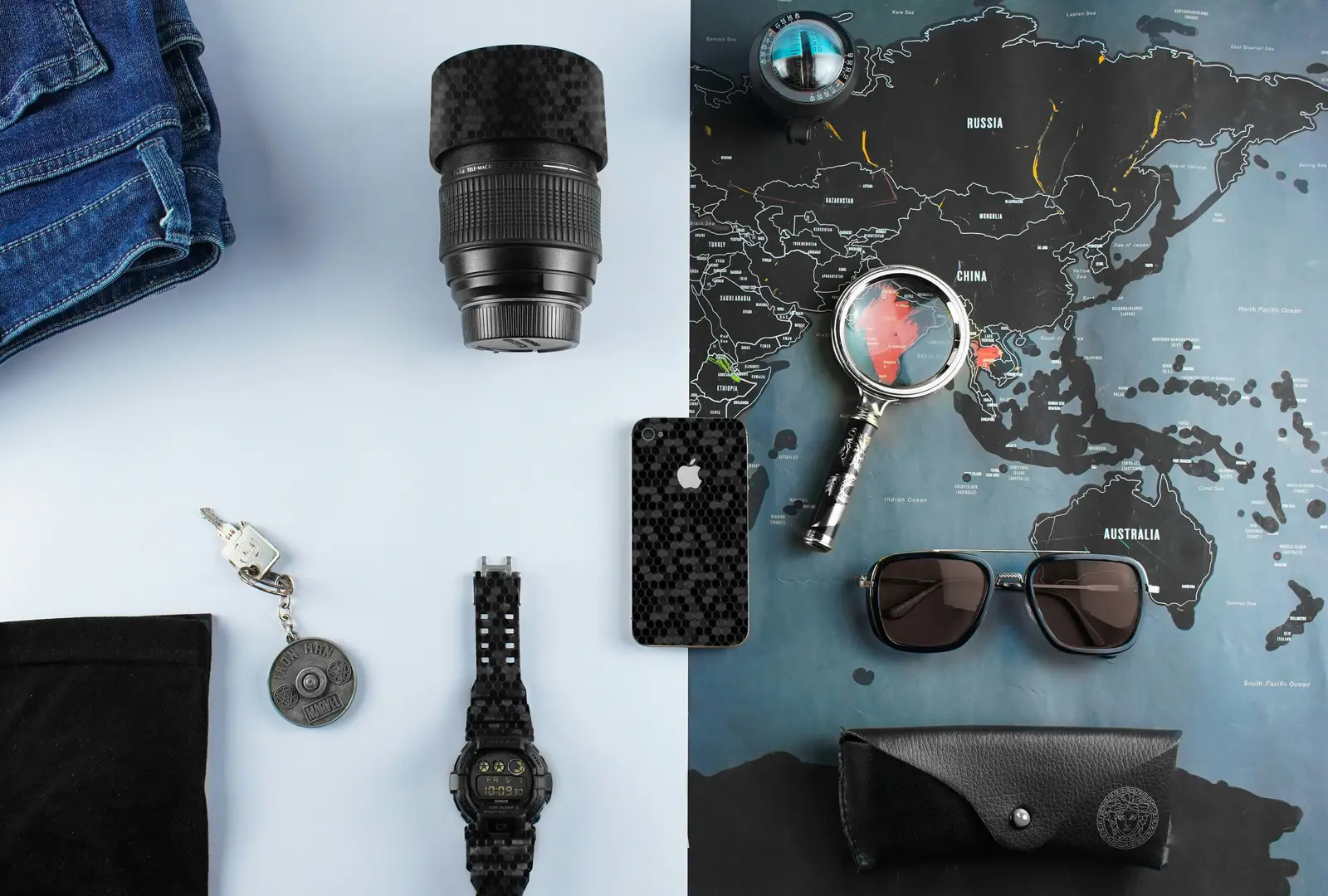
Bear Grylls's adventure gear list is six items long: zero-drop shoes with a wide toe box, a squat rack and barbell, a featherweight backpack, a powdered protein and fiber blend with grass-fed organ meats, a Luminox watch, and a tough shell jacket with seven pockets. The rack, the shoes and the jacket are the three worth copying for your own training. The supplement, the watch and the backpack are the ones most readers can skip or replace for less money.
The six items on Grylls's list
- Zero-drop shoes with a wide toe box and an extra-grippy rubber outsole
- A squat rack with a barbell, which he requests on every shoot and donates when filming ends
- A featherweight backpack from the same brand as the shoes, with bottle pockets and a laptop sleeve
- A supplement blending powdered protein, fiber, probiotics and grass-fed organ meats
- A Luminox watch that is light, corrosion resistant and easy to read
- A lined shell jacket with seven pockets, which he sometimes replaces mid-expedition
The article doesn't list prices for any of the six, so treat it as a shape for your own kit rather than a shopping cart. What matters is which parts of the list solve a problem you actually have.
The rack is the piece he asks for wherever he films
It's the one piece of gym equipment he requests on every production so he and the crew can train between setups, and the rack gets left behind and donated afterward. "We've left squat racks with barbells all over the world," he says. Squats, presses and pull-ups from one frame. A rack and a barbell cover most of a strength program, and everything else is an add-on you can buy later.
If you're building a home gym in order, buy the rack and bar first, a bench second, plates as the weights go up. You can train a year on that setup without touching a machine, and you'll learn more about your own weak points than a room full of cables would teach you.
What zero-drop shoes actually change
He picks shoes by how his foot lands rather than by brand. "I am a big fan of shoes that are zero drop and have a wide toe box," he says. "I want my feet to be landing on the ground as naturally as possible." Zero drop means the heel and the forefoot sit at the same height, and a wide toe box lets the toes spread when you push off. The grippy outsole earns its keep on wet rock and loose dirt.
The switch takes time for a normal runner or hiker. Zero drop puts more load through the calf and the Achilles, and the evidence that it lowers injury rates is thin. Give it four to six weeks of short sessions before you wear a pair on a long day. If your calves are sore for two days after a two-mile walk, you moved too fast and should drop back.
The jacket is the most practical item on the list
His shells take enough punishment that he sometimes swaps one mid-expedition. The one he names has a microfleece lining and seven pockets, which is a real number when you're carrying gloves, a map, a phone and food you want without opening the main compartment. If you're buying a shell for yourself, the waist-length vs mid-thigh decision changes how much weather it keeps off your legs, and it matters more than the logo on the chest.
Three items you can skip
The supplement blends powdered protein, fiber, probiotics and grass-fed organ meats, which he launched for all-round nutrition. Strip the marketing and it's a protein powder with extras. Plain whey or a plant blend is cheaper per gram of protein in most cases, fiber is cheaper from food, and the evidence for probiotics in healthy adults is thin and strain specific. Organ meats carry B12, iron and copper, but a scoop holds small amounts of each. Buy it if you want the convenience, not because your training is missing something.
The Luminox is light, corrosion resistant and readable, and part of what sold him on the partnership is the brand's support of military charities. That's a good reason to like a watch. It isn't a reason your hiking kit needs one. A cheap digital watch tells the time and survives being dropped in a creek.
The backpack is a light, durable pack with side pockets for bottles, a large main compartment and a laptop sleeve. The laptop sleeve tells you what it's for: commuting and travel with a laptop and a water bottle. Plenty of bags already in your closet do that. Buy it because you like it, not because a survivalist carries one.
What to copy, in order
- The rack and barbell, because it's the item that builds something you keep.
- The shoes, if you run or hike on rough ground and your current pair leaves your toes pinched.
- The jacket, if you spend cold, wet days outside and your pockets are always full.
A 4-week rack plan built on squats, presses and pull-ups
Two sessions a week for four weeks, one barbell, one rack. Add weight only when every set is clean. The jumps are deliberately small; 5 lb a week on a squat is 260 lb a year, which is more than most people need. If you have a heart, joint or back condition, get a doctor's clearance before you start loading a bar.
Week 1: find your working weights
Session A: squat and press
- Back squat3 sets · 5 · Pick a weight you could squat 8 times. Add 5 lb next session if all three sets are clean.
- Overhead press3 sets · 5 · Add 2.5 lb next session while the bar path stays straight and your ribs stay down.
- Pull-up3 sets · 5-8 · Add one rep per set before you add weight. Use a band if you can't hit 5.
- Romanian deadlift3 sets · 8 · Add 10 lb a week while your back stays flat.
Session B: front squat and row
- Front squat3 sets · 6 · Keep it 20 to 30 lb under your back squat. Add 5 lb a week.
- Bench press3 sets · 6 · Add 5 lb a week while every rep touches your chest.
- Barbell row3 sets · 8 · Add 5 lb a week with no body English.
- Hanging knee raise3 sets · 10 · Add 2 reps a week up to 15.
Week 2: same weights, more reps
Session A: squat and press
- Back squat3 sets · 6 · Same load as week 1, one more rep per set. Move up next week.
- Overhead press3 sets · 6 · Same load as week 1. Stop the set when the bar slows down.
- Pull-up3 sets · 6-9 · One more rep per set than week 1.
- Romanian deadlift3 sets · 10 · Same load as week 1, two more reps per set.
Session B: front squat and row
- Front squat3 sets · 8 · Same load as week 1.
- Bench press3 sets · 8 · Same load as week 1, two more reps per set.
- Barbell row3 sets · 10 · Same load as week 1.
- Hanging knee raise3 sets · 12 · Add 2 reps per set on week 1.
Week 3: add load
Session A: squat and press
- Back squat3 sets · 5 · Add 10 lb to your week 1 weight.
- Overhead press3 sets · 5 · Add 5 lb to your week 1 weight.
- Pull-up3 sets · 5-8 · Add weight if you hit 8 reps in every set.
- Romanian deadlift3 sets · 8 · Add 15 lb to your week 1 weight.
Session B: front squat and row
- Front squat3 sets · 6 · Add 10 lb to your week 1 weight.
- Bench press3 sets · 6 · Add 10 lb to your week 1 weight.
- Barbell row3 sets · 8 · Add 10 lb to your week 1 weight.
- Hanging knee raise3 sets · 10 · Add a light dumbbell between your feet.
Week 4: hold, then test
Session A: squat and press
- Back squat3 sets · 5 · Repeat week 3, then take one single at 10 lb more if the sets felt strong.
- Overhead press3 sets · 5 · Repeat week 3. If you miss reps, hold the weight for another week.
- Pull-up3 sets · 5-8 · Finish with one all-out set and write the number down.
- Romanian deadlift3 sets · 8 · Repeat week 3.
Session B: front squat and row
- Front squat3 sets · 6 · Repeat week 3, then restart the four weeks at your new weights.
- Bench press3 sets · 6 · Repeat week 3, then restart the four weeks at your new weights.
- Barbell row3 sets · 8 · Repeat week 3.
- Hanging knee raise3 sets · 12 · Repeat week 3.
Eat enough to support it. Most reviews land on 1.6 to 2.2 grams of protein per kilogram of body weight a day for people trying to add muscle, which for a 180 lb lifter is roughly 130 to 180 grams. Sleep does the rest, and no powder fixes a six-hour night.
FAQ
- What is on Bear Grylls's adventure gear list?
- Six items: zero-drop shoes with a wide toe box, a squat rack and barbell, a lightweight backpack, a protein and fiber powder with organ meats, a Luminox watch, and a lined shell jacket with seven pockets. He asks for the rack on every production and leaves it behind when filming ends.
- What shoes does Bear Grylls wear?
- He describes them by shape: zero drop, a wide toe box and an extra-grippy rubber outsole. He says he wants his feet landing on the ground as naturally as possible. If you switch to zero drop, build up over four to six weeks, because your calves and Achilles take the extra load first.
- Does Bear Grylls train with a squat rack?
- Yes. It's the one piece of gym equipment he requests wherever he films, so he and the production crew can squat, press and do pull-ups between setups. The racks get donated after the shoot. He says they've left squat racks with barbells all over the world.
- What watch does Bear Grylls wear?
- A Luminox. He partnered with the brand partly because it supports military charities, and he's a former British special forces soldier. The watch is light, corrosion resistant and easy to read, which is what you want from a field watch that gets wet and knocked around.
- Is the Bear Grylls supplement worth buying?
- For most people, no. It's protein, fiber, probiotics and grass-fed organ meats in a powder. Plain whey or a plant protein is cheaper per gram of protein, fiber comes from food, and the evidence for probiotics in healthy adults is thin and strain specific. Buy it for convenience, not because you need it.
- How many pockets does his jacket have?
- Seven. The shell has a microfleece lining, and he goes through them fast enough that he sometimes replaces one mid-expedition. Seven pockets keeps gloves, a map and a snack out of the main compartment.
Sources
Related guides
Best walking and running shoes: Clifton 11 vs On Cloud X4
The Hoka Clifton 11 handles walking and easy running for most people, and the On Cloud X4 is the firmer, lighter alternative for gym days. How to pick between them.
Best fitness trackers for women: Whoop or a Garmin strap
Whoop 5.0 is the tracker to beat for sleep and recovery, but it needs a subscription. A Garmin chest strap covers workout heart rate. How to choose, and which numbers to ignore.
Best electric razors and beard trimmers: Braun takes both in 2026
The best electric razors and beard trimmers in 2026 both come from Braun, according to Men's Health's grooming editors. Here's which one to buy, and what each costs you in trade-offs.