
Best protein powder in 2026: 5 picks and the one to skip
Optimum Nutrition Gold Standard wins on price per gram of protein; Transparent Labs wins on protein per scoop. The five powders worth buying, and how much protein you actually need.
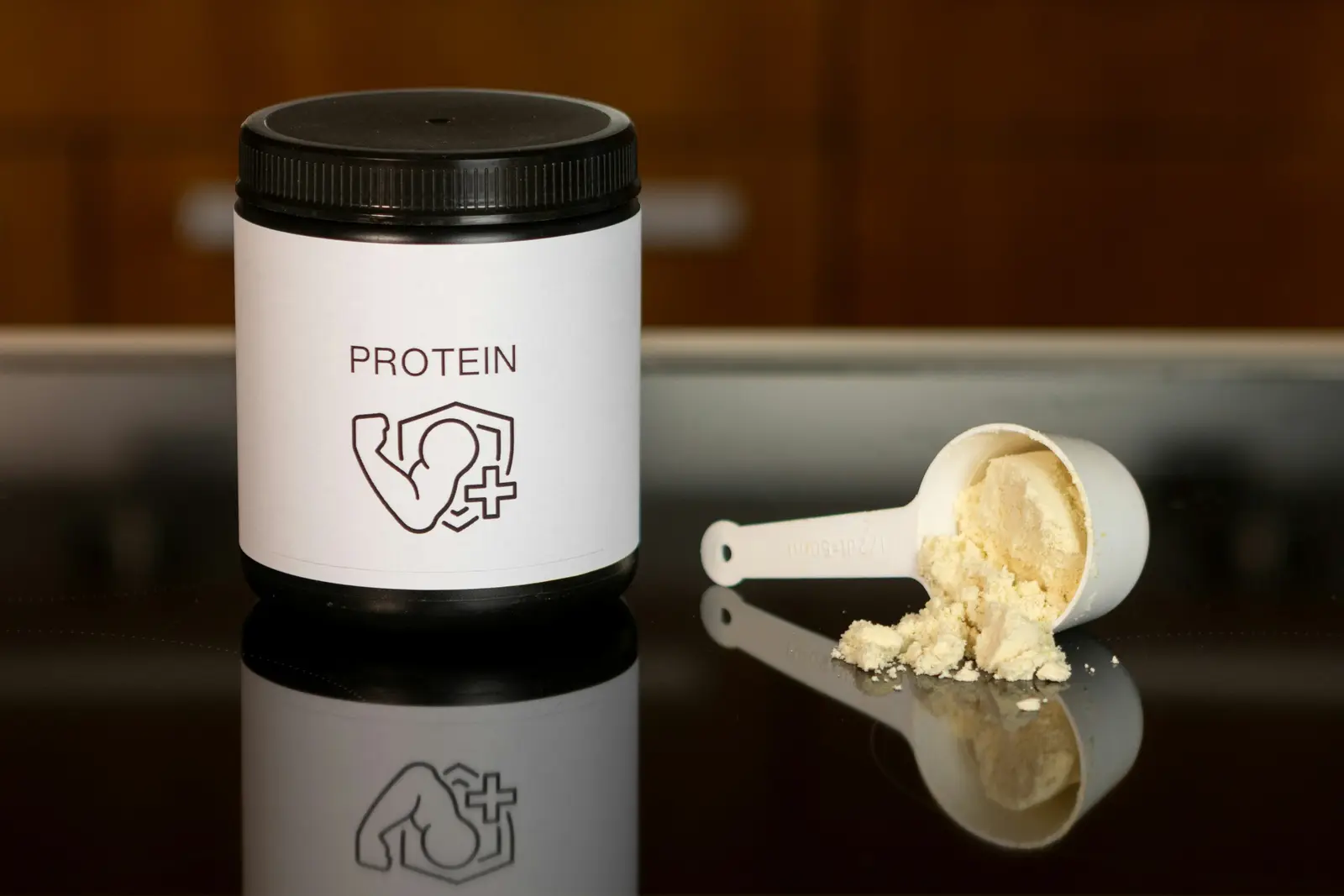
Some links in this article are affiliate links: if you buy through one, we may earn a commission at no extra cost to you. As an Amazon Associate we earn from qualifying purchases. How affiliate links work here
The best protein powder for most people is Optimum Nutrition Gold Standard 100% Whey. It puts 24 g of protein in a scoop, comes in 12+ flavors, and runs $1.37 to $2.00 a serving depending on the tub size and the retailer. No other powder in that price band combines that much protein with that much choice. Transparent Labs Grass-Fed Whey Isolate is the pick if you want a shorter label and more protein per scoop at about $2.00 a serving.
Optimum Nutrition Gold Standard 100% Whey
24 g of protein a scoop at $1.37 to $2.00 a serving, the lowest price per gram of protein in the group.
Transparent Labs Grass-Fed Whey Protein Isolate
28 g of protein, 1 g of carbs and 1 g of fat a scoop with a short ingredient list, in 21 flavors at about $2.00 a serving.
Powder is a convenience. If you eat eggs, dairy or meat at two or three meals a day, you probably clear your protein target without it, and the money is better spent on food. It earns its place when you're traveling, rushed in the morning, vegetarian, or training hard enough that the target climbs past what you feel like chewing.
How the picks were made
Prices and protein figures come from the labels and the per-serving numbers published in the roundups from Men's Health, Wired, Healthline and Medical News Today. Tasting notes are attributed to the people who wrote them. Two things got a powder cut from this list: no protein number per scoop on the label, or a price per gram of protein well above the rest of the field.
Price per serving hides the real cost
Two powders at $2.00 a serving can be 30% apart in value. Divide the price by the protein grams and the ranking changes:
- Optimum Nutrition Gold Standard: 24 g for $1.37 to $2.00, about 6 to 8 cents a gram
- Promix Grass-Fed Whey Isolate: 30 g for $1.87 to $2.00, about 6 to 7 cents a gram
- Transparent Labs Whey Isolate: 28 g for $1.82 to $2.00, about 6.5 to 7 cents a gram
- Ritual Protein Daily Shake 18+: 20 g for $2.93, about 15 cents a gram
- Mikuna Pure Chocho: 20 g for $3.00, 15 cents a gram
Plant proteins sit at the expensive end for a reason: pulling protein out of peas or chocho costs more than filtering milk. If you eat dairy, whey is the cheaper gram every time, and it's also the faster-digesting source, which is why the nutritionists the Strategist interviewed build most of their recommendations on it.
Five powders worth buying
Optimum Nutrition Gold Standard is a blend of whey isolate, concentrate and peptides. You get 24 g of protein, 12+ flavors and the lowest price per gram in the group. The blend carries slightly more lactose and fat than a straight isolate, so it can sit heavier if you drink it right before training. Buy the biggest tub you'll finish in a few months, since small tubs land at the top of that $1.37 to $2.00 range.
Transparent Labs Grass-Fed Whey Isolate delivers 28 g of protein, 1 g of carbs, 1 g of fat and 130 calories a scoop, sweetened with stevia, in 21 flavors at about $2.00 a serving. Men's Health fitness editor Charles Thorp, NASM, tried it and said the short ingredient list was a pleasant surprise and the protein per scoop made his daily target easy to hit. It's grass-fed dairy, so it's off the table for vegans, and it costs about 50 cents a serving more than the cheaper whey in that roundup.
Promix Grass-Fed Whey Isolate is the best protein-per-dollar isolate here: 30 g a scoop, five flavors, $1.87 to $2.00 a serving. Wired's comparison put it at the top of the group for protein per scoop. Five flavors is a small lineup, so sample a single-serving size before committing to a big tub.
Promix Grass-Fed Whey Isolate
30 g of protein a scoop for $1.87 to $2.00, the most protein per scoop among the isolates compared.
Dymatize ISO100 is hydrolyzed whey isolate, 25 g a scoop, 11 flavors, $1.79 to $2.75 a serving. Hydrolyzed means the protein is partly broken down before you drink it, and it's the one to try if concentrate leaves you bloated. The price spread is the widest on this list, so check the per-serving cost on the exact tub you're buying.
Dymatize ISO100
Partly broken-down whey isolate at 25 g a scoop, the pick if concentrate leaves you bloated.
Ritual Protein Daily Shake 18+ is the plant pick: organic yellow peas, 20 g a scoop, two flavors, $2.93 a serving. It has the shortest label of the vegan options and a texture most people can drink without grimacing. You pay for it. At about 15 cents a gram, it costs roughly double Gold Standard.
Ritual Protein Daily Shake 18+
Organic yellow pea protein, 20 g a scoop, two flavors, and the shortest label of the vegan options.
Whey isolate, concentrate, plant and collagen
Whey isolate is filtered to remove more lactose and fat than concentrate, which makes it easier on your stomach and more expensive per tub. Concentrate is fine for most people. Plant powders, per the nutritionists the Strategist spoke to, often carry a lot of sodium because the extraction process uses salt, so read the label if you're watching your blood pressure. Beef isolate, like Be Well by Kelly at 24 g for $2.17 a serving, is an option for anyone who reacts badly to dairy.
Collagen peptides keep turning up in these lists. Vital Proteins sells 18 g of protein a serving with a pitch about hair, skin, nails and joints. Collagen is low in the amino acids muscle protein synthesis needs, so it's a poor choice as your main powder if you're buying protein to build or hold muscle. Treat it as a separate product with separate goals.
How much you need, in grams per kilogram
I'd set your daily target at 1.6 g of protein per kilogram of body weight, which is roughly 0.7 g per pound. A 75 kg lifter is chasing about 120 g a day. Two scoops of Gold Standard covers 48 g of that, and the rest should come from meals. Kristin Kirkpatrick, a registered dietitian at the Cleveland Clinic, told Yahoo that a daily shake at breakfast is where most people notice the difference, because it cuts hunger and cravings through the morning. If you have kidney disease, get your protein target from your doctor before you add powder to anything.
Does the 30-minute window matter?
Oscar Colon IV, a personal trainer and fitness nutrition specialist, told the Strategist to drink a shake within 30 minutes of finishing a workout. I'd treat that as a ceiling, not a deadline. Your daily protein total does most of the work, so a shake an hour later on the drive home is not wasted. The exception is a fasted morning session, where getting protein in soon after you finish is the easier habit to keep.
What to skip
- Collagen as your only powder. It's a joint and skin product with a protein number attached.
- Any tub that doesn't print protein grams per scoop on the front. You can't price it without that number.
- Powders above 10 cents a gram of protein unless they're plant-based or the only thing your stomach tolerates.
A two-week test to see if you need powder
Count your protein from meals for three days before you buy anything. If you're short by 30 g or more, run this schedule for two weeks and track whether the gap closes. Sets below are scoops.
Week 1: find the gap
Training day
- Breakfast shake1 sets · 1 scoop in 300 ml water · Keep it if meals leave you short of your daily target by mid-afternoon
- Post-workout shake1 sets · 1 scoop within an hour of your last set · Move it to the meal after training once the daily total is on target
Rest day
- Afternoon shake1 sets · 1 scoop with fruit or oats · Drop it and add a food protein source if you clear the target without it
Week 2: hold the target
Training day
- Breakfast shake1 sets · 1 scoop, same flavor as week 1 · Add a second scoop only if meals leave you more than 25 g short
- Evening top-up1 sets · 1 scoop if the daily total is short · Swap in cottage cheese or Greek yogurt when you want the calcium and the slower digesting protein
Rest day
- Afternoon shake1 sets · 1 scoop only when the total is short · Aim for zero scoops by week four if food covers the target
Common questions
- Is protein powder bad for your kidneys?
- For healthy kidneys, no. Higher protein intakes haven't been shown to damage kidney function in people without kidney disease. If you have chronic kidney disease, your protein limit is a medical decision, so ask your doctor before adding powder to your day.
- How many scoops a day is too many?
- There's no fixed cap, but three or more scoops usually means powder is replacing meals. You lose the fiber, vitamins and minerals that come with real food. One or two scoops on top of normal eating closes most gaps.
- Do I need protein powder if I already eat meat?
- Probably not. Eggs, dairy or meat at two or three meals gets most people to 1.6 g per kilogram without a shake. Powder is worth it when you're traveling, eat a thin breakfast, or train hard enough that the target gets hard to reach with food alone.
- Is whey better than plant protein?
- Whey digests faster and carries more leucine per gram. Pea and soy isolates still support muscle growth when your daily protein total is matched. Plant powders cost more per gram and often carry more sodium, so read the label.
- What's the cheapest protein powder worth buying?
- Optimum Nutrition Gold Standard at $1.37 a serving when you buy the larger tubs. NOW Sports Egg White Protein comes in under $30 a tub, but each serving has 15 g of protein, so you'll use it faster. Low price, low dose.
- Should I take protein powder on rest days?
- Yes, if you're short of your daily target. Muscle repair runs for days after a session, so the weekly total is what counts. There's nothing special about saving the shake for training days.
Sources
- Healthline: Best Protein Powder in 2026
- Men's Health: 6 Protein Powders Our Editors Trust
- Wired: 10 Best Protein Powders, 3 Years of Testing
- The Strategist: Best Protein Powders
- Medical News Today: 13 Best Protein Powders and How to Choose
- Yahoo Health: What Using Protein Powder Every Day Does to Your Body
- Vogue: The Best Whey Protein Powder
Related guides
Beginner gym workout plan: why 3 days a week beats 5 days
Three full-body sessions a week for four weeks, 2 to 3 sets of 8 to 12 reps, and a written rule for adding weight. The plan is built for a first month or a return after a year off.

Best walking and running shoes: Clifton 11 vs On Cloud X4
The Hoka Clifton 11 handles walking and easy running for most people, and the On Cloud X4 is the firmer, lighter alternative for gym days. How to pick between them.

Strength training vs muscle size: what matters after 70
Muscle size and strength are separate adaptations, and the longevity case leans on strength. Here's how a 78-year-old reached a 132 lb deadlift, and how to split your own training.