
Losing fat after 50 means holding muscle, not adding cardio
Fat loss after 50 leans on three things you control: a moderate calorie deficit, 50 to 70g of protein at each meal, and three or four lifting sessions a week to keep the muscle you already have.

What actually changes after 50
Two things move in the wrong direction at once. Lean muscle falls and fat mass climbs, and since muscle is the tissue that keeps your daily energy needs a little higher, the meals that held your weight at 40 now leave you in a small surplus. For women, menopause shifts where fat sits, which is why the waist often changes before the scale does.
The usual response, cutting hard and adding daily cardio, tends to backfire. A steep deficit with low protein costs you muscle, your daily burn drops further, and the weight comes back inside a year. Ellison flips the order: hold on to muscle first, then let a moderate deficit do the work.
Build every meal around protein
Ellison's first rule is that fat loss starts in your kitchen. Protein goes on the plate first, then whole foods fill the rest. His target is 50 to 70g of protein at every meal.
That range suits a man around 90kg who trains four days a week. At 65kg, three meals at 70g is more protein than you need and it leaves no room for rice, fruit or anything you actually like eating. A workable floor is about 1.6g per kg of body weight a day, spread over three or four meals. For most readers that lands near the bottom of Ellison's range, which is fine.
Where the protein comes from matters less than that it shows up. Greek yogurt, eggs, chicken, fish, cottage cheese, lentils, tofu, a scoop of whey. Keep one of those within arm's reach at each meal and hitting the target stops being a daily negotiation with yourself.
Lift three or four times a week and add weight
Ellison trains three to four days a week and adds weight whenever he can. That is the part deciding whether the weight you lose is fat or muscle. A deficit tells your body to spend energy. Lifting tells it which tissue to keep.
Progressing your lifts means something specific: same exercise, more reps or more load over weeks. Squat 40kg for three sets of eight this week. Next week, three sets of nine. Once you get ten reps on all three sets, add 2.5kg and start again at eight. That's the whole system, and it works at 52 the same way it works at 28.
Keep the exercise list boring and unchanged for eight to twelve weeks. Three full-body sessions are enough, and they survive a busy month better than a five-day split that collapses the first time work gets heavy.
Steps do more than extra cardio sessions
Ellison calls cardio a tool. Walking, stairs, standing, errands: movement outside the gym adds up across a day, and it doesn't leave you flat for tomorrow's lifting session the way daily hard intervals do. Take your current daily average and add 1,000 to 2,000 steps. Hold that for a month before adding more.
Two short cardio sessions a week are worth keeping for heart health and recovery. I wouldn't make them the main lever, because eating 400 fewer calories takes ten minutes and burning 400 takes most of an hour at a pace you'll stick with.
Sleep and alcohol
Short sleep makes hunger harder to manage, and the margin is thinner at 50 than it was at 30. Seven to eight hours is the target. If you're running on six, fix that before you buy anything in a tub. Alcohol adds calories fast and usually costs you the quality of the next morning's session.
The one supplement I'd bother with
Creatine monohydrate has the strongest evidence of anything on the shelf for strength and lean mass, and 5g a day is the dose. It doesn't burn fat. It helps you keep training hard while you eat less, which is the thing that protects muscle in a deficit. Whey is convenient food. Fat burners are marketing with a label, and the evidence behind them is thin.
A four-week plan to start
Weeks 1-2: set your starting weights
Session A (full body)
- Goblet squat3 sets · 8-10 · Add 2.5kg once you hit 10 reps on all three sets.
- Dumbbell bench press3 sets · 8-10 · Take the smallest available jump in dumbbell size and keep the reps clean.
- Seated cable row3 sets · 10-12 · Add one plate when all three sets reach 12.
- Romanian deadlift3 sets · 8-10 · Add 2.5kg per week while your back stays neutral.
Session B (full body)
- Leg press3 sets · 10-12 · Add one plate when you finish all sets at 12 with two reps left in the tank.
- Lat pulldown3 sets · 10-12 · Add the smallest plate and drop back to 10 reps.
- Dumbbell shoulder press3 sets · 8-10 · Add reps before you add weight; shoulders reward patience.
- Farmer carry3 sets · 30-40 seconds · Add distance or weight each week.
Session C (full body)
- Split squat3 sets · 8 per leg · Hold dumbbells once bodyweight sets feel stable.
- Push-up or incline push-up3 sets · 10-15 · Lower the incline as you get stronger.
- One-arm dumbbell row3 sets · 10 per side · Add 2kg once you hit 10 clean reps on both sides.
- Side plank3 sets · 20-30 seconds per side · Add five seconds a week until you reach 45.
Weeks 3-4: chase reps, then load
Session A (full body)
- Goblet squat3 sets · 10-12 · At 12 reps on all sets, add 2.5kg and return to 8.
- Dumbbell bench press3 sets · 10-12 · Same rule: hit the top of the range, then add load.
- Seated cable row3 sets · 12-15 · Add a plate when 15 reps is comfortable.
- Romanian deadlift3 sets · 10-12 · Stop the set if your lower back starts rounding, regardless of the target.
Session B (full body)
- Leg press3 sets · 12-15 · Add load at 15 reps, keep the range of motion full.
- Lat pulldown3 sets · 12-15 · Add a plate when all sets reach 15.
- Dumbbell shoulder press3 sets · 10-12 · Add reps first; the weight jump can wait.
- Farmer carry3 sets · 40-50 seconds · Add weight, then distance.
Session C (full body)
- Split squat3 sets · 10 per leg · Hold dumbbells for all three sets before adding reps.
- Push-up or incline push-up3 sets · 12-15 · Lower the incline every two weeks.
- One-arm dumbbell row3 sets · 12 per side · Add 2kg at 12 clean reps.
- Side plank3 sets · 30-40 seconds per side · Add five seconds a week.
Weeks 1 and 2 are for learning the movements and finding a starting weight on each. Weeks 3 and 4 add reps. If a lift stalls twice in a row, eat a little more on training days before you add another cardio session. Stalling is usually a recovery problem.
What to measure
Track four things: your weekly average body weight (weigh daily, average the seven numbers), your waist at the navel, the top set on two or three main lifts, and whether you hit your protein. If the average weight is flat for three weeks and the waist isn't moving, drop about 200 calories from the day. If your lifts are falling and you're hungry all the time, you've cut too far.
This is general information, not medical advice. If you have a heart condition, joint problems or you're on medication that affects weight, get a doctor's view before you start cutting calories.
Frequently asked questions
- Can I lose fat after 50 without lifting weights?
- Yes, but you'll lose more muscle doing it. A deficit without a strength stimulus takes lean tissue along with fat, and since muscle supports your daily calorie burn, the next round gets harder. If you can only manage two sessions a week, do two full-body sessions and keep adding weight.
- How much protein should a 50-year-old eat to lose fat?
- Aim for about 1.6g per kg of body weight a day, split over three or four meals. For a 75kg person that's roughly 120g daily. Ellison's 50 to 70g per meal suits a heavier, trained man, so scale it to your size and get most of it from whole foods.
- Is cardio required for fat loss after 50?
- No. The deficit does the work, and walking covers most people's needs. Two short cardio sessions a week help your heart and recovery. Daily hard intervals mostly eat into the lifting you need to keep muscle.
- Does your metabolism really slow down after 50?
- Partly, and mostly through lost muscle and fewer daily steps than through a broken metabolism. Keep lifting, hold protein high and protect your step count, and your daily burn stays closer to where it was a decade ago.
- How fast should I lose fat at 50?
- Fast enough that your waist moves every few weeks, slow enough that your main lifts keep climbing. If weight is dropping and your top sets are falling, you've cut too hard. Add 200 to 300 calories back before you add another cardio session.
- Do supplements help with fat loss after 50?
- Creatine monohydrate at 5g a day helps you hold strength in a deficit, which protects muscle. Protein powder is convenient food. Fat burners have thin evidence and aren't worth the money.
Sources
Related guides
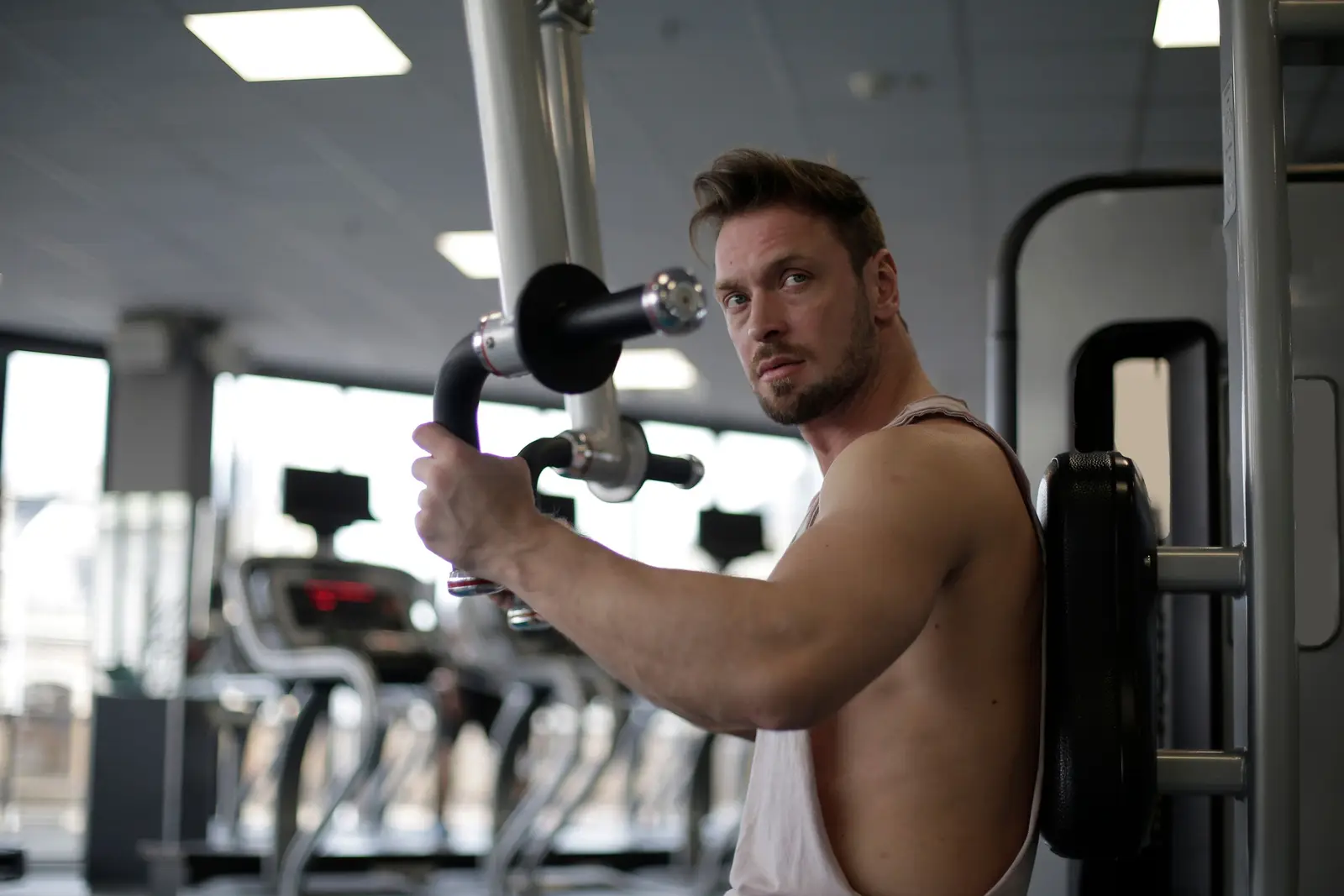
Losing 10 pounds takes 2 to 3 months, and that is the safe pace
Most people can lose 1 to 2 pounds a week, so 10 pounds takes two to three months. Here is the walking, strength work and food plan that gets you there without gallstones.
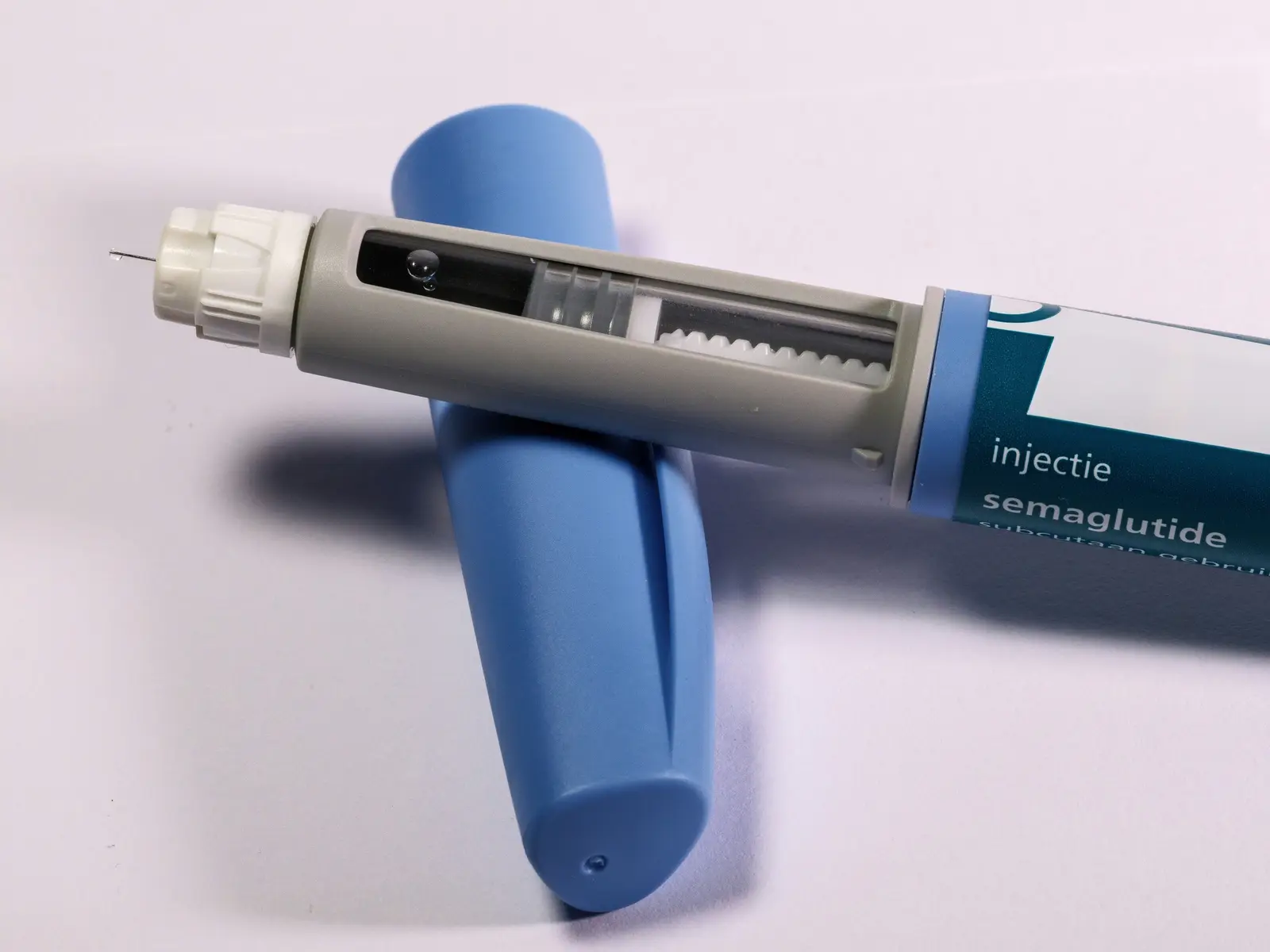
Ozempic costs $1,000 a month; the natural version is only years out
A Stanford team used an AI screen to find BRP, a 12-amino-acid peptide that mimics semaglutide in animals. Here is what the study shows and what you can actually do now.
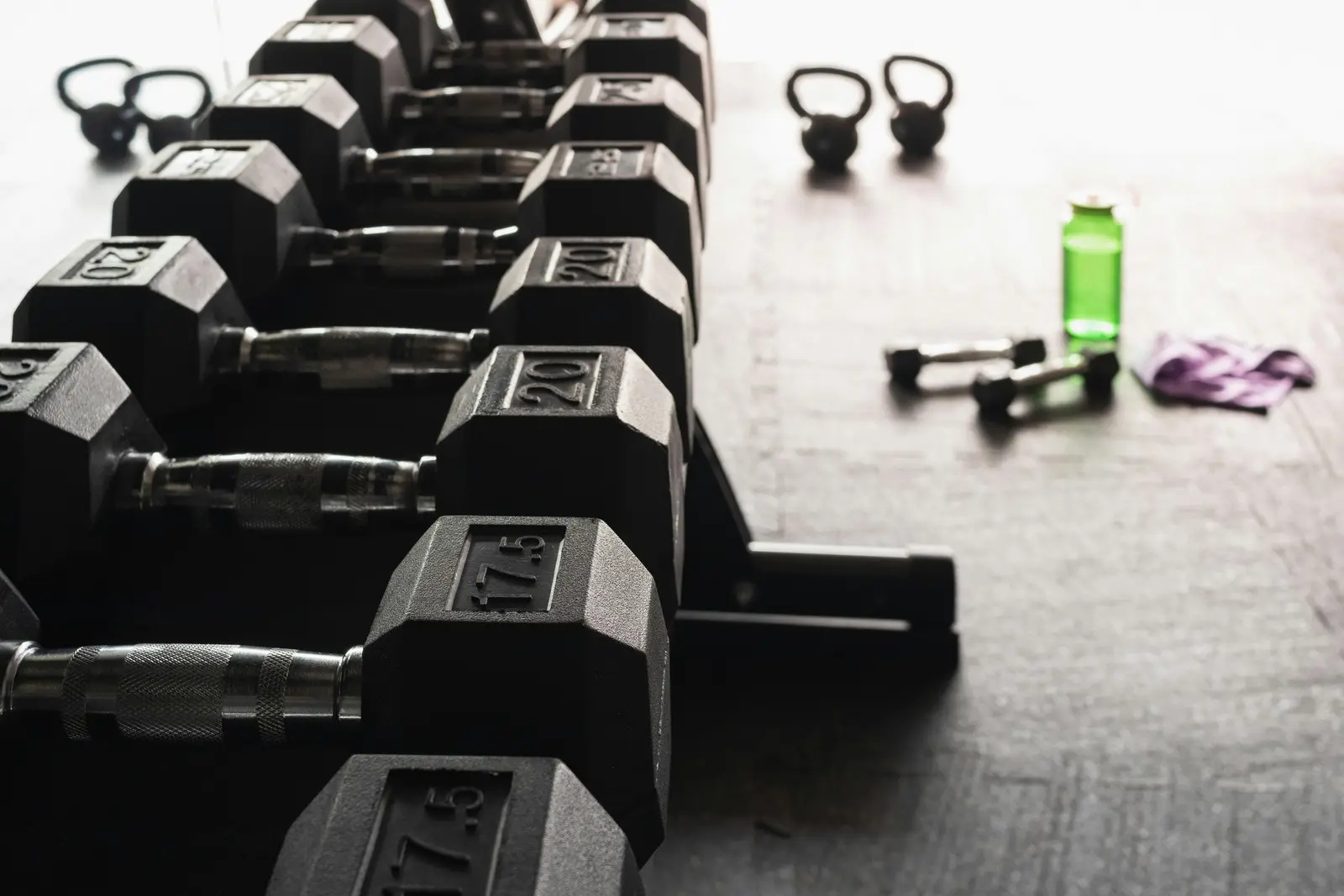
Beginner gym workout plan: why 3 days a week beats 5 days
Three full-body sessions a week for four weeks, 2 to 3 sets of 8 to 12 reps, and a written rule for adding weight. The plan is built for a first month or a return after a year off.