
Losing 10 pounds takes 2 to 3 months, and that is the safe pace
Most people can lose 1 to 2 pounds a week, so 10 pounds takes two to three months. Here is the walking, strength work and food plan that gets you there without gallstones.
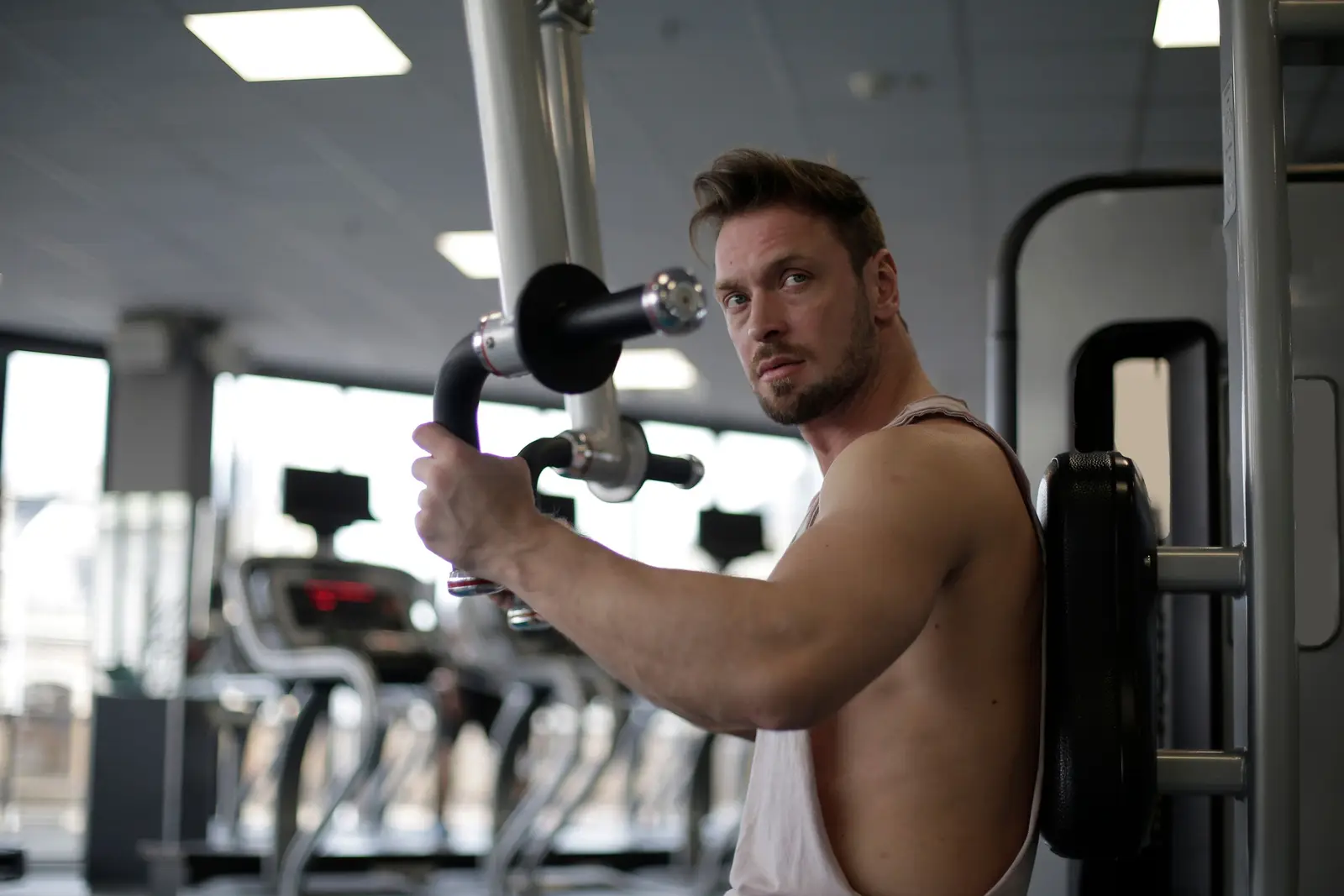
You lose weight naturally with a calorie deficit you can actually keep: 1 to 2 pounds a week, built from food changes and movement you can repeat next month. The CDC recommends that pace, and dietitian Danielle Crumble Smith gives the same figure. Michael Glickman, a board-certified family medicine and obesity medicine physician, tells patients to give themselves two to three months to lose 10 pounds.
Why 10 pounds in a month is the wrong target
Glickman's view is that the average person cannot safely lose 10 pounds in a month. He names two risks: gallstones, which are painful deposits of digestive fluid in the gallbladder, and regaining the weight later. Starting weight changes the picture, so someone at 300 pounds will drop faster than someone at 170, but the pace rule holds for both.
He also points out that much of what comes off in the first month is water weight. The scale gives you a big number in week one, then flattens, and plan on that so a slow week three does not read as failure.
Walk 30 minutes before you touch your diet
A brisk 30-minute walk is the first thing I'd add, before changing anything on your plate. Tatyana Johnston, a former Nike master trainer, recommends it and notes it can be broken into three 10-minute walks if your day is tight. It's low impact, which is exactly why people stick with it. Kami Blease, a personal trainer at Fyt Personal Training, suggests smaller items you could do almost daily, like taking the stairs at work or holding a plank before your shower.
Strength work decides whether you lose fat or muscle
You lose muscle in a calorie deficit unless you give your body a reason to keep it. Two full-body sessions a week is enough for most people starting out: five exercises, three sets, about 40 minutes. Weights you can control beat weights you can barely lift, because the goal is adding a little each week and still being in the gym in three months.
A six-week starting plan
Weeks 1 and 2
Full body A
- Goblet squat3 sets · 8-10 · Add 2.5 kg when you complete 10 reps on all three sets
- Dumbbell row3 sets · 8-10 per side · Add 2.5 kg once the last rep stays controlled
- Push-up3 sets · 6-10 · Hands on a bench if 6 floor reps is too many, then lower the bench
- Plank3 sets · 20-30 seconds · Add 5 seconds each week
Full body B
- Romanian deadlift3 sets · 8-10 · Add 2.5 kg when the back stays flat on every set
- Step-up3 sets · 8 per leg · Use a higher step before you add weight
- Single-arm dumbbell press3 sets · 8-10 per side · Add 1 to 2 kg once 10 reps feel steady
- Dead bug3 sets · 8 per side · Slow the lowering to three seconds
Walk
- Brisk walk1 sets · 30 minutes · Three 10-minute walks count the same; add 5 minutes a week up to 45
Weeks 3 and 4
Full body A
- Goblet squat3 sets · 10-12 · Same weight, two more reps per set before you add load
- Dumbbell row3 sets · 10-12 per side · Add 2.5 kg when 12 reps on both sides is clean
- Push-up3 sets · 8-12 · Lower the hand height by one notch
- Plank3 sets · 30-40 seconds · Add 5 seconds each week
Full body B
- Romanian deadlift3 sets · 10-12 · Add 2.5 kg once 12 reps is comfortable
- Step-up3 sets · 10 per leg · Hold a dumbbell in each hand at the same step height
- Single-arm dumbbell press3 sets · 10-12 per side · Add 1 to 2 kg when the last rep is still smooth
- Dead bug3 sets · 10 per side · Keep the lower back flat throughout
Walk
- Brisk walk4 sets · 30 minutes · Four walks a week, split however fits your schedule
Weeks 5 and 6
Full body A
- Goblet squat4 sets · 10-12 · Add a fourth set at the same weight
- Dumbbell row4 sets · 10-12 per side · Add a fourth set before adding load
- Push-up3 sets · 10-15 · Floor push-ups if the bench version is easy
- Plank3 sets · 40-50 seconds · Add 5 seconds each week
Full body B
- Romanian deadlift4 sets · 10-12 · Add a fourth set at the same weight
- Step-up3 sets · 10 per leg · Add 2 kg per hand if the step height is already challenging
- Single-arm dumbbell press4 sets · 10-12 per side · Add a fourth set before adding load
- Dead bug3 sets · 12 per side · Extend the arms further from the body
Walk
- Brisk walk5 sets · 30 minutes · Five walks a week, or four plus one longer 45-minute walk
Weeks one and two are for learning the movements. Add weight when you hit the top of the rep range with clean form, and keep the same weight if the last rep turns sloppy. If you miss a session, take the next one as scheduled.
The 5 to 10 percent mark is where the health payoff is
The American Heart Association and the CDC both put a 5 to 10 percent weight loss as the range that lowers the risk of heart disease and diabetes and improves blood pressure, triglycerides and stroke risk, and it can raise HDL cholesterol. At 220 pounds that's 11 to 22 pounds, or two to four months at 1 to 2 pounds a week. In people with severe obesity, the metabolic improvements are clear at around 10 percent.
After 40, the plan stays the same and the stakes go up
Testosterone falls about 1 to 2 percent a year after 30 to 40, which costs muscle and moves fat toward the belly. Cortisol from stress does something similar, and insulin resistance climbs with age, making blood sugar harder to control. Muscle loss also cuts into mobility and endurance, according to the National Institute on Aging, which makes moving less appealing. The answer is still two strength sessions, daily walking and protein at every meal. If you're over 40, on medication, or managing a heart or joint condition, have a doctor look at the plan before you cut calories.
Track the week, not the morning
Body weight moves with sodium, carbohydrate intake and hydration, so one reading tells you almost nothing. Weigh at the same time each morning, average the seven days, and take a waist measurement once a month. The National Institute on Aging notes that weight changes with age can come from shifts in metabolism and appetite, and that the scale alone gives an incomplete picture of health.
What I'd skip
Fat burners. The category has the loudest marketing and the thinnest evidence, and the money is better spent on a set of dumbbells or a gym month. Protein powder is worth buying if getting protein from food is a struggle. Creatine monohydrate has good evidence for strength work and does nothing for fat loss on its own.
Natural does not mean you have to do it alone. If you've held a deficit, walked daily and lifted for three months with nothing moving, the next step is a conversation with a doctor about other options, not another round of willpower.
Frequently asked questions
- How much weight can I safely lose in a month?
- Four to eight pounds at the 1 to 2 pounds a week pace the CDC recommends. Some people lose more in the first month because of water weight, then slow down. Glickman suggests planning two to three months for 10 pounds.
- Do I need supplements to lose weight naturally?
- No. Protein powder is convenient if food protein is hard to hit, and creatine monohydrate has good evidence for strength, not for fat loss. Fat burners are the category with the loudest marketing and the thinnest evidence. Put the money toward dumbbells.
- Is walking enough to lose weight?
- It's a strong start and worth keeping either way. A brisk 30 minutes burns calories and is easy to repeat, and Johnston's point is that low impact movement is the kind people stick with. On its own, with no change to food, it produces slow results.
- Why did I lose 3 pounds in the first week?
- Water. Glickman notes that much of the early drop after starting a lower-calorie diet is water weight. Expect week two to be slower, and treat 1 to 2 pounds a week as the real rate.
- How do I lose weight naturally after 40?
- Keep two strength sessions a week and protein at every meal. Testosterone falls about 1 to 2 percent a year after 30 to 40, and muscle loss makes activity harder. Have a doctor review the plan before you cut calories, especially with a heart condition or on medication.
Sources
Related guides

Losing fat after 50 means holding muscle, not adding cardio
Fat loss after 50 leans on three things you control: a moderate calorie deficit, 50 to 70g of protein at each meal, and three or four lifting sessions a week to keep the muscle you already have.
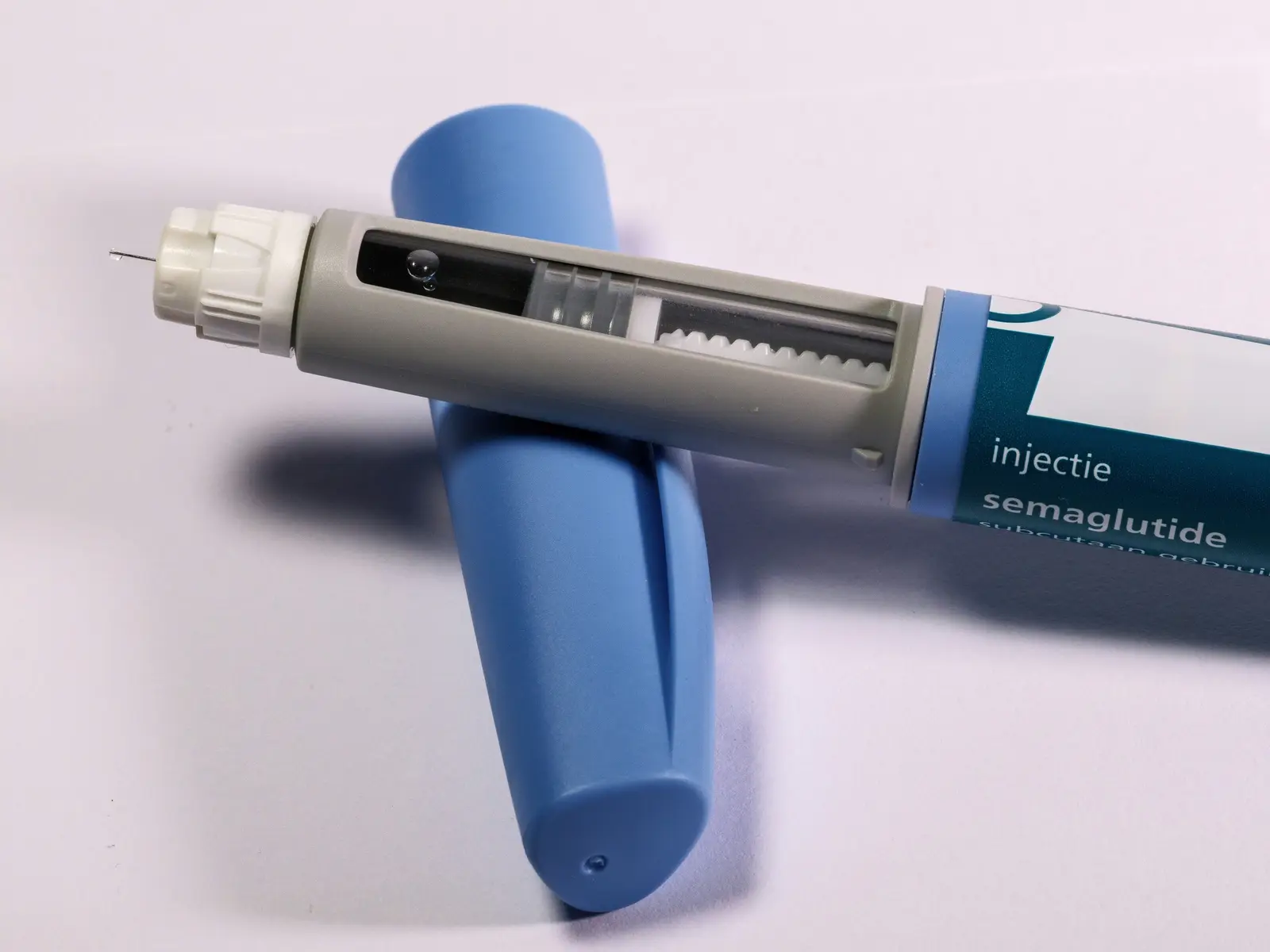
Ozempic costs $1,000 a month; the natural version is only years out
A Stanford team used an AI screen to find BRP, a 12-amino-acid peptide that mimics semaglutide in animals. Here is what the study shows and what you can actually do now.
Beginner gym workout plan: why 3 days a week beats 5 days
Three full-body sessions a week for four weeks, 2 to 3 sets of 8 to 12 reps, and a written rule for adding weight. The plan is built for a first month or a return after a year off.