
The high-tech home gym gear that earns its floor space
Smart resistance systems, adjustable dumbbells and recovery tools: what the 13 picks in a recent gear roundup are actually for, and the order I'd buy them in.
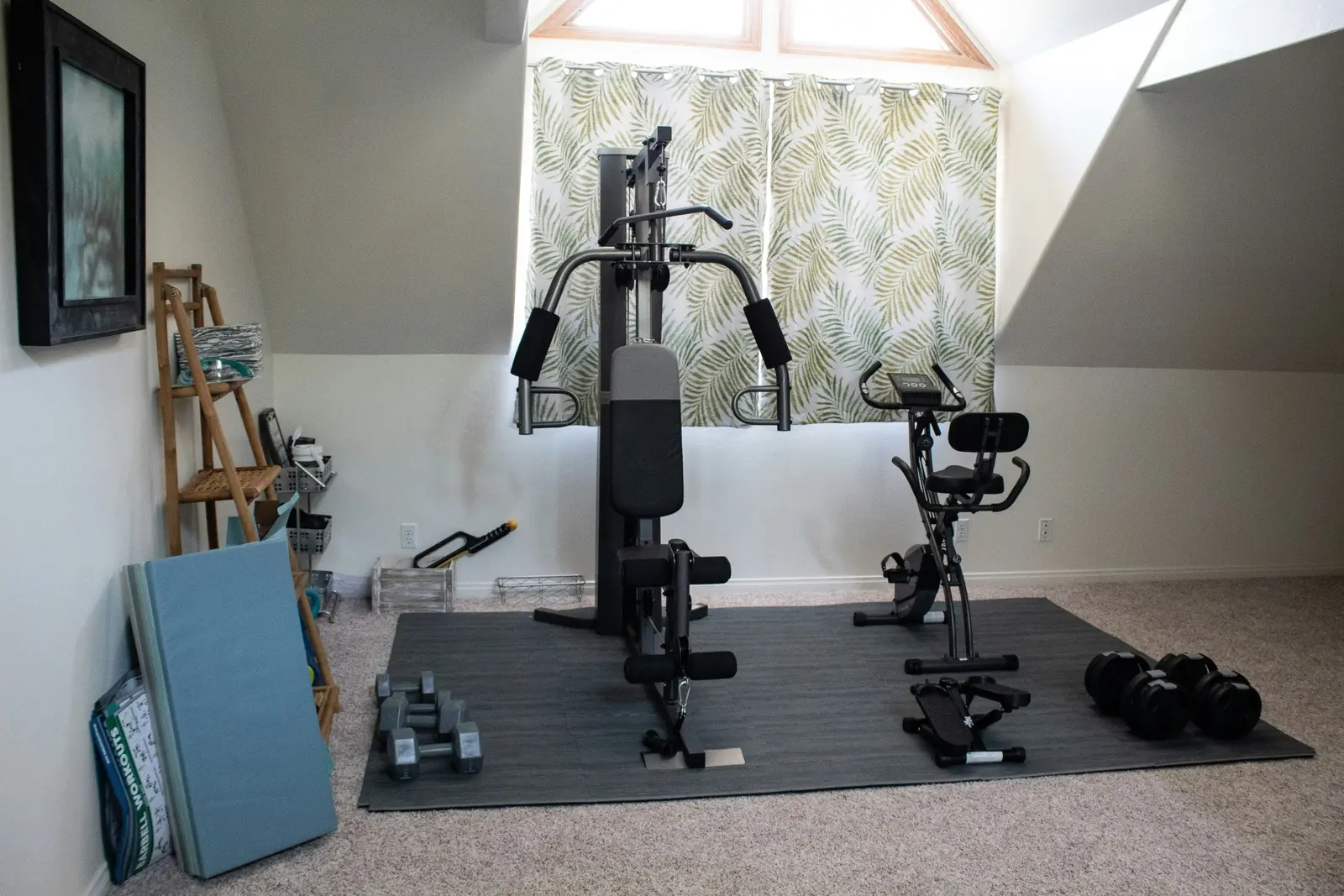
The best high-tech home gym equipment replaces something that used to take up a wall. A smart resistance machine does the work of a cable station, adjustable dumbbells cover a rack of pairs, and an air bike handles conditioning without a treadmill. Muscle & Fitness put 13 products on its list, and they sort into three groups: digital resistance, strength gear with better design, and recovery tools. My buying order runs roughly the other way around.
What the technology has to do
The question worth asking about any connected machine is what changes once the set starts. Resistance you can adjust mid-rep without breaking position, a rep count you don't have to keep in your head, a session that loads the next set while you're breathing: those you feel. A dashboard of metrics you stop opening in week three is a subscription with a screen attached. Muscle & Fitness, which says its staff trained with every product it listed, used the same test: does the tech solve a training, space or usability problem you actually have?
Smart resistance systems: the Speediance pair
The pitch is that one unit covers lat pulldowns, rows, cable flyes and assisted work in a footprint you'd otherwise give a cardio machine. The Gym Monster 3 is the larger of the two Speediance models on the list, the one that earns its floor space by replacing several machines at once. The Gym Nano is the compact version, built for a room that gets cleared after every session. Two things decide whether either makes sense for you: whether the machine can stay out, and whether your program already includes pulling at angles a dumbbell can't reach. If face pulls and pressdowns are already in your week, a digital system solves a real problem. If they aren't, dumbbells cover more of your program.
Adjustable dumbbells carry most of the training
REP's x PÉPIN FAST Series adjustable dumbbells were the strength pick that would suit the largest number of people. Rows, presses, split squats, curls, lateral raises: the boring work that builds most of the muscle a home lifter is after happens with two adjustable bells and a bench. Dial-style dumbbells change load faster than sliding plates on and off a handle, which matters more than it sounds when you're moving between a set of rows and a set of presses with a clock running.
Buy the bench and the box before the app
The FED Fitness WB7 adjustable utility bench and the REP 3-in-1 soft plyo box are the two cheapest ways to add training options, and neither one has a screen. Without a bench, half the dumbbell work you planned turns into floor work: no incline pressing, no supported rows, no upright pressing at all. The foam plyo box handles step-ups, box squats and jumps, and the soft edges don't take skin off your shins when you clip one on a missed rep. An air bike such as REP's Strive model is the other piece I'd put ahead of any subscription product. Ten minutes of intervals on one asks more of you than most people's entire cardio week.
Recovery tools are the last thing you buy
Compression boots such as the FIT KING FT-130A and a massage gun like the Hyperice Hypervolt sit in the category of things that feel good and are easy to overrate. The evidence that either one speeds recovery is thin. What they do well is make a sore day more tolerable, and a tolerable day is one you're more likely to train through. Buy them when the training is already consistent and your legs, not your motivation, are the limiter. Fight Camp's connected boxing setup belongs in the same bracket: a conditioning tool that holds attention if you can't face another minute on a bike, and one to skip if you've never stuck with a class format before.
The order I'd buy them in
- Adjustable dumbbells, if you don't already own a rack.
- An adjustable bench, if your dumbbell work is happening on the floor.
- A soft plyo box.
- A smart resistance system: the Gym Nano for a small apartment, the Gym Monster 3 if the machine can live in the room permanently.
- Conditioning gear, either the air bike or Fight Camp.
- Recovery: a massage gun first, compression boots second.
Questions to ask before you pay
- Where does it live between sessions, and how many minutes does setup take from walking in to the first set?
- Can you train without a subscription, and what stops working if you cancel it?
- Can you change resistance mid-set without stepping out of position?
- Does it need a wall anchor, a dedicated outlet or a floor space that can't double as anything else?
A three-week start on this gear
This plan assumes adjustable dumbbells, a bench and a plyo box. Run the two sessions three times a week on an A/B/A, B/A/B rotation, and add load when you hit the top of the rep range on every set.
Week 1: own the movements
Day A: squat and press
- Goblet squat3 sets · 8-10 · Add 5 lb when you hit 10 reps on all three sets
- Dumbbell bench press3 sets · 8-10 · Add 2.5 lb per hand once every set reaches 10
- One-arm dumbbell row3 sets · 10-12 per side · Add 5 lb when both sides reach 12
- Cable or band triceps pressdown2 sets · 12-15 · Add one set in week 3
Day B: hinge and pull
- Dumbbell Romanian deadlift3 sets · 8-10 · Add 5 lb per hand when the last rep still looks the same as the first
- Incline dumbbell press3 sets · 8-12 · Add 2.5 lb per hand at 12 reps
- Dumbbell split squat3 sets · 8 per leg · Add 5 lb per hand when you can hold balance for all sets
- Lat pulldown or band pulldown3 sets · 10-12 · Add a set, then add load
Week 2: same movements, more load
Day A: squat and press
- Goblet squat3 sets · 8-10 · Match week 1's reps with 5 lb more
- Dumbbell bench press3 sets · 8-10 · Match week 1's reps with 2.5 lb more per hand
- One-arm dumbbell row3 sets · 10-12 per side · Add 5 lb and accept a rep or two fewer on the first set
- Cable or band triceps pressdown3 sets · 12-15 · Hold the same load for the extra set before adding weight
Day B: hinge and pull
- Dumbbell Romanian deadlift3 sets · 8-10 · Add 5 lb per hand once 10 reps feel controlled
- Incline dumbbell press3 sets · 8-12 · Add 2.5 lb per hand at the top of the range
- Dumbbell split squat3 sets · 10 per leg · Two extra reps before any load increase
- Lat pulldown or band pulldown3 sets · 10-12 · Add 5 lb and keep the same rep count
Week 3: add a set to the two main lifts
Day A: squat and press
- Goblet squat4 sets · 8-10 · Hold week 2's load for the fourth set, then add 5 lb in week 4
- Dumbbell bench press4 sets · 8-10 · Hold week 2's load for the fourth set
- One-arm dumbbell row3 sets · 10-12 per side · Add 5 lb if all sets hit 12
- Cable or band triceps pressdown3 sets · 12-15 · Add the smallest jump available
Day B: hinge and pull
- Dumbbell Romanian deadlift4 sets · 8-10 · Hold week 2's load for the fourth set
- Incline dumbbell press4 sets · 8-12 · Hold week 2's load, then add 2.5 lb per hand in week 4
- Dumbbell split squat3 sets · 10 per leg · Add 5 lb per hand when the last rep of each set is stable
- Lat pulldown or band pulldown3 sets · 10-12 · Add a set before adding load
FAQ
- Is a smart gym worth it instead of free weights?
- Usually no, if you have room for a bench and dumbbells. A digital resistance system earns its cost when it replaces a cable station you would otherwise buy, or when an apartment rules out a rack. Buy the dumbbells and bench first, then add the machine when cable work is the thing your program is missing.
- How much space does a home gym need?
- A bench plus adjustable dumbbells needs about the footprint of a yoga mat and clear room to lie down. A smart resistance system needs a spot it can stay in permanently. Measure the door swing and the ceiling before ordering, and decide where the machine lives between sessions before you pay.
- Do compression boots actually speed up recovery?
- The evidence is thin. They feel good and they make a sore day easier to train through, which has some value. Sleep, protein and not stacking hard sessions back to back do more for recovery than any device in this price range. See a doctor if soreness lasts more than a few days or comes with swelling.
- Can I build muscle with dumbbells and a bench only?
- Yes. Progressive overload is what drives growth, and adjustable dumbbells let you add load in small steps for years on most lifts. The limit shows up in heavy squatting and in exercises that need a cable. Fill those gaps with a plyo box for step-ups and a band for pulling work.
- What should I buy first for a home gym?
- Adjustable dumbbells, then an adjustable bench, then a soft plyo box. Those three cover pressing, rowing, squatting and jumping for under the cost of a single connected machine, and they hold resale value if you upgrade later. Add conditioning and recovery gear once you're training consistently.
Sources
Related guides
Best walking and running shoes: Clifton 11 vs On Cloud X4
The Hoka Clifton 11 handles walking and easy running for most people, and the On Cloud X4 is the firmer, lighter alternative for gym days. How to pick between them.
Best fitness trackers for women: Whoop or a Garmin strap
Whoop 5.0 is the tracker to beat for sleep and recovery, but it needs a subscription. A Garmin chest strap covers workout heart rate. How to choose, and which numbers to ignore.

Bear Grylls's gear list: what's worth the money, what isn't
Bear Grylls's adventure gear list runs to six items, from zero-drop shoes to a squat rack he leaves behind. Three are worth copying, three you can skip.