
The best workout shirts for men: 3 picks that handle sweat
Men's Health's fitness editors put three gym shirts through repeated sessions and washes. Here's which one fits your training, and the sun-protection gap all three share.
Some links in this article are affiliate links: if you buy through one, we may earn a commission at no extra cost to you. As an Amazon Associate we earn from qualifying purchases. How affiliate links work here
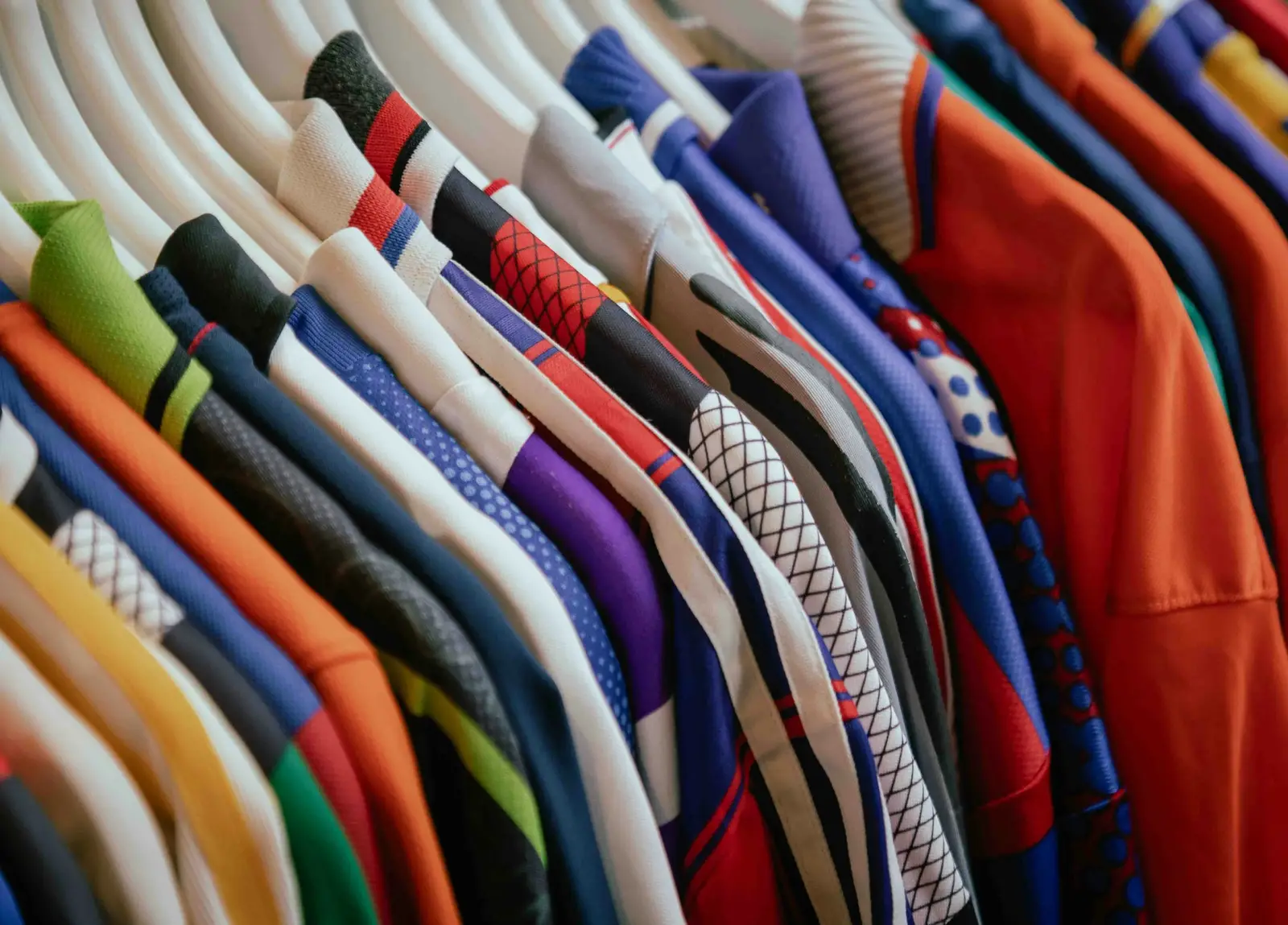
The best workout shirts for men, per Men's Health's fitness editors and trainers, are the Vuori Strato Tech Tee, the Ten Thousand Interval and a very light flat-lock-seam shirt the roundup calls underpriced for its performance level. Each one solves a different problem: looking presentable after training, staying dry in a hot gym, and feeling almost nothing on your back.
Vuori Strato Tech Tee
The editors describe the fabric as buttery soft, with little friction when they pushed hard in the gym, and one tester wore it to work and then trained in it without changing.
Ten Thousand Interval
The editors say it repels sweat and dries faster than anything else in the roundup, and they liked the stretch and the color range.
Know what the write-ups actually cover before you spend. The editors wore the shirts through training and washed them repeatedly, then judged the fabric, the seams, how fast each one dried and how it held up. They don't publish lab numbers on breathability or odor, and they don't list prices for all three. So treat this as wear-test opinion from people who train, which is more useful than a fabric spec sheet and less precise than a measurement.
Vuori Strato Tech Tee: the gym shirt that looks like a regular tee
Recycled polyester and elastane, knit with 4-way stretch, moisture-wicking and quick-drying. The editors describe the fabric as buttery soft, with little friction when they pushed hard in the gym, and one tester wore it to work and then trained in it without changing. That's the whole case for it: a plain-looking tee that behaves like performance gear.
Durability looks good. The shirts still looked new after many washes and wears, including on the staffers who sweat through everything and leave stains on cheaper shirts. Two catches. It has no UV protection. And certain sizes and colors sell out fast, so buy when your size is in stock rather than waiting for a restock that may not come before summer.
Ten Thousand Interval: mesh, anti-odor treatment, anti-chafe seams
Mesh does the work here. Polyester and spandex, perforated panels, seams built to stop chafing, and an anti-odor treatment. The editors say it repels sweat and dries faster than anything else in the roundup, and they liked the stretch and the color range. The look is stripped down, with the details in the fabric rather than on the chest.
Ten Thousand ran this shirt through its own abrasion and pressure testing, and the roundup reports it came through in every category mentioned. There's a tank version if you train without sleeves. Like the Vuori, it has no sun protection, which is fine for a gym floor and useless for a park session in July.
The lightweight pick, and why it suits heavy sweaters
The third shirt in the roundup wins on weight. The editors call it extremely lightweight, note the flat-lock seams and say the price sits below what the performance justifies, though the write-up doesn't publish a figure. Their one complaint is length: it runs a tad long. If you overheat in a standard tee and want the closest thing to training shirtless while staying dressed, start here.
What separates a gym shirt from a regular tee
- Fiber: all three picks are synthetic, either polyester on its own or a polyester blend with elastane or spandex. The stretch is what stops the shirt pulling across your shoulders when you press overhead.
- Seams: flat-lock and anti-chafe seams matter anywhere a barbell, a strap or a bench pad rubs. A cotton tee with a raised seam will chafe a long session.
- Drying speed: a quick-dry shirt decides whether the walk home is comfortable or cold. Cotton holds sweat and dries slowly, which is why it's a poor choice for lifting or intervals.
- Sun protection: none of the three blocks UV. For outdoor sessions, wear a UPF-rated shirt or sunscreen, and don't assume a synthetic tee covers you.
Fit is the part most people get wrong. A workout shirt should clear your shoulders without hanging off you like a tent, and it shouldn't ride up when you raise your arms. If you're between sizes, take the smaller one for overhead work and the larger one if you mostly squat and deadlift and want room through the chest.
A sample training week, with a shirt assigned per session
Three shirts is enough for a three-day rotation: one on your back, one in the wash, one dry. The template below pairs each session with the fabric that suits it, so the mesh gets the sweatiest day and the soft 4-way stretch gets the day you might leave the gym and go somewhere.
Week 1: set the rotation
Push day (wear the 4-way stretch tee)
- Barbell bench press3 sets · 5 · Add 2.5 kg when you complete all three sets of 5
- Standing overhead press3 sets · 8 · Add 1.25 kg when every set hits 8
- Incline dumbbell press3 sets · 10 · Add 2 kg per dumbbell once you get 3 sets of 10
Pull day (wear the mesh shirt)
- Trap bar deadlift3 sets · 5 · Add 5 kg each week you finish 3 sets of 5
- Barbell row3 sets · 8 · Add 2.5 kg at 3 sets of 8
- Lat pulldown3 sets · 12 · Add one plate at 3 sets of 12
Conditioning (wear the lightest shirt you own)
- Rower intervals5 sets · 2 minutes hard, 2 minutes easy · Hold the same pace for one extra interval each week
Week 2: add a set to the first lift
Push day (4-way stretch tee, second wear if it dried fully)
- Barbell bench press4 sets · 5 · Keep the weight from week 1, add a fourth set, then add 2.5 kg in week 3
- Standing overhead press3 sets · 8 · Same load as week 1, cleaner reps
Pull day (mesh shirt, fresh wash)
- Trap bar deadlift3 sets · 5 · Add 5 kg from week 1 if all reps were clean
- Chest-supported row3 sets · 10 · Add 2.5 kg at 3 sets of 10
Who should skip all three
If you train outdoors in summer, none of these is the shirt you want, because none blocks the sun. Buy a UPF-rated long-sleeve for those sessions and keep these for the gym. If odor is your main problem and you sweat through everything, the Interval's anti-odor treatment is the only one of the three that addresses it directly; the others don't advertise one. And if you only lift twice a week in a cool garage, a cheap synthetic tee from a supermarket will do the same job, because the features you're paying for here show up over repeated washing and long, sweaty sessions, not once a week.
How to wash them so they last
Wash synthetics cold, skip fabric softener and skip the dryer or use low heat. Softener coats the fibers and cuts wicking, and high heat is what turns a stretch knit baggy at the shoulders over a year. Hang them to dry and the three shirts will outlast the training block you bought them for.
Frequently asked questions
- What fabric is best for a workout shirt?
- A polyester blend with some elastane or spandex. All three shirts in the Men's Health roundup are synthetic, and the stretch is what lets them move with you instead of pulling across the shoulders. Cotton soaks up sweat and dries slowly, so it's a poor pick for lifting or intervals.
- Are expensive workout shirts worth it?
- It depends on how often you train. The roundup doesn't publish prices for all three picks, so I can't compare the gap. What you're paying for is fabric that keeps its shape after repeated washing and seams that don't chafe, and the editors report both holding up. A cheap shirt that pills in a month isn't cheaper.
- Do workout shirts need UV protection?
- Only if you train outside. None of the three picks here has UV protection, so for outdoor runs or field sessions use sunscreen or a UPF-rated shirt instead of assuming a synthetic tee covers you.
- Do anti-odor treatments wash out?
- The write-up doesn't say how long the Interval's treatment lasts, and that's the detail that would settle it. Washing cold without fabric softener is the usual way to keep any treatment working longer.
- How many workout shirts do you need?
- Three is enough for most people: one on, one in the wash, one dry. That lets a shirt dry fully between sessions, which matters more for odor than any treatment.
Sources
Related guides
Best walking and running shoes: Clifton 11 vs On Cloud X4
The Hoka Clifton 11 handles walking and easy running for most people, and the On Cloud X4 is the firmer, lighter alternative for gym days. How to pick between them.
Best fitness trackers for women: Whoop or a Garmin strap
Whoop 5.0 is the tracker to beat for sleep and recovery, but it needs a subscription. A Garmin chest strap covers workout heart rate. How to choose, and which numbers to ignore.
Bear Grylls's gear list: what's worth the money, what isn't
Bear Grylls's adventure gear list runs to six items, from zero-drop shoes to a squat rack he leaves behind. Three are worth copying, three you can skip.